

One Week at UNIZA – Travel Journal of Prof. Dr. Denis Anders from Žilina
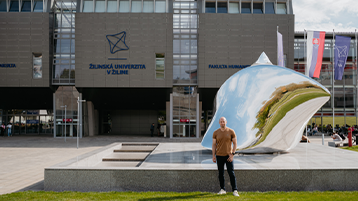
From October 5th to 9th, 2026, Prof. Dr. Denis Anders visited the Slovak University of Žilina (UNIZA) as part of a DAAD mobility project called “Connecting Dots – Forging Networks – Accelerating Internationalization through Integration”. UNIZA is a partner university of the PIONEER Alliance.
His goal? To sit in on lectures, present his own research, and scout for potential research collaborations. After just a few chats, it was clear: this trip would give him way more than just new contacts.
Getting There – From Vienna to Žilina
I kicked things off at Cologne/Bonn Airport, flying to Vienna before hopping in a rental car to Slovakia. Another two and a half hours of driving ahead of me – plus the usual stress of decoding unfamiliar road signs. And don’t forget the Slovak e-vignette! Luckily, it’s easy to grab via an app.
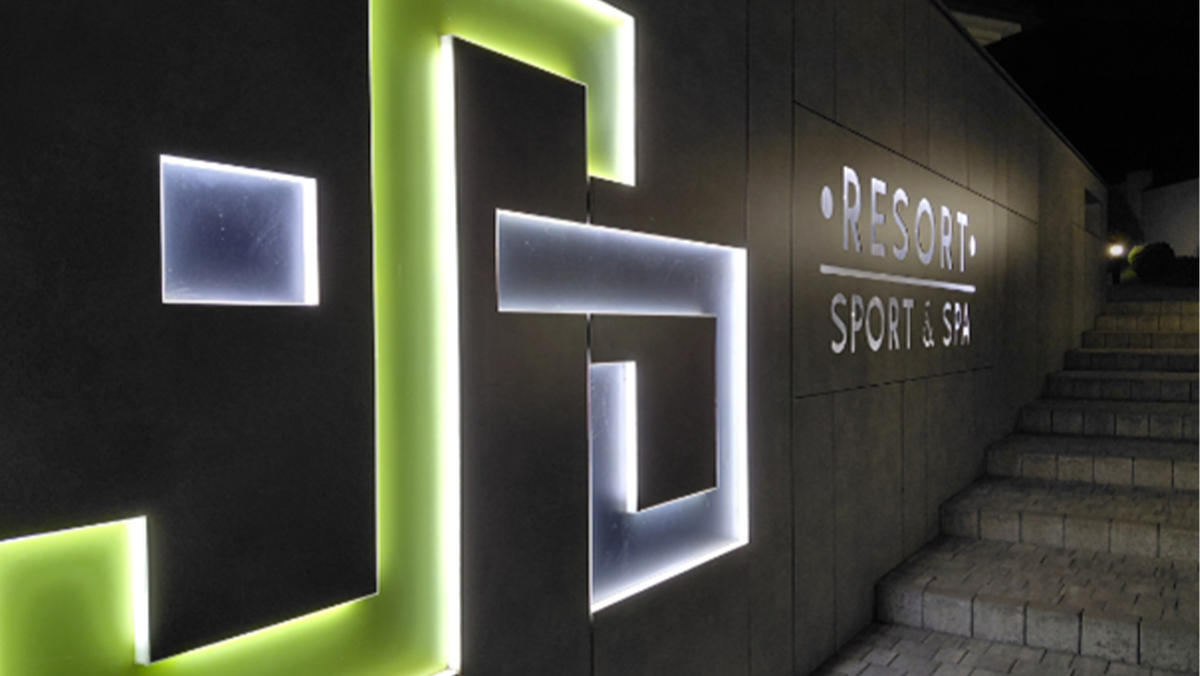
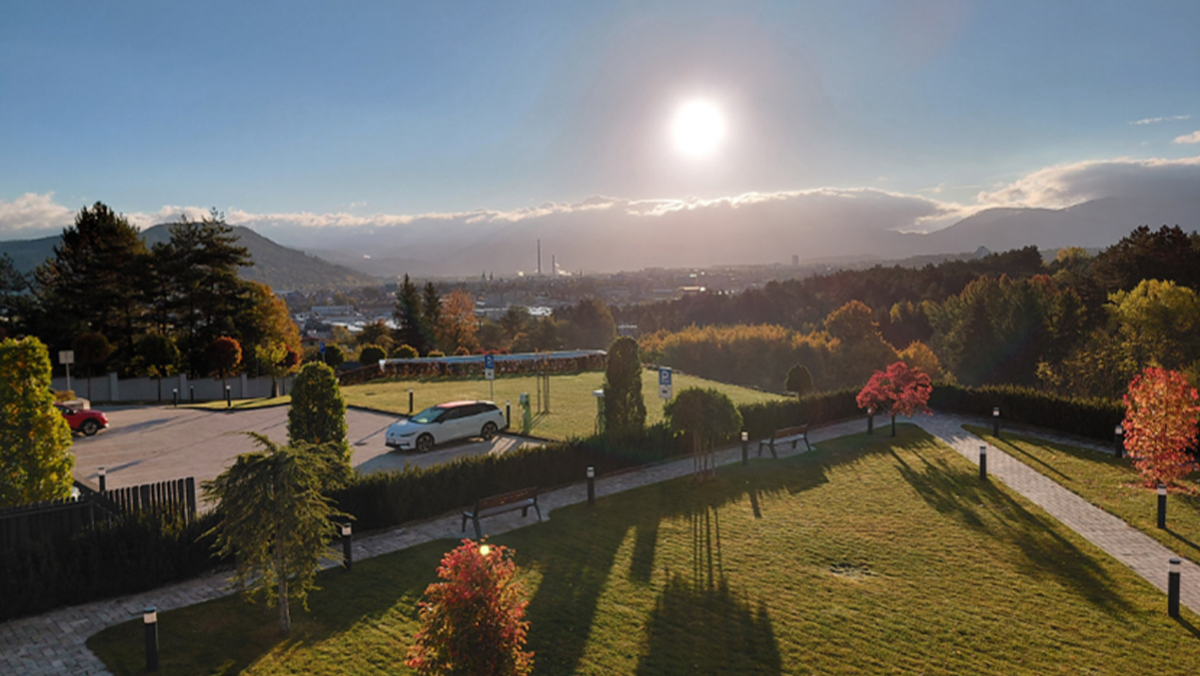
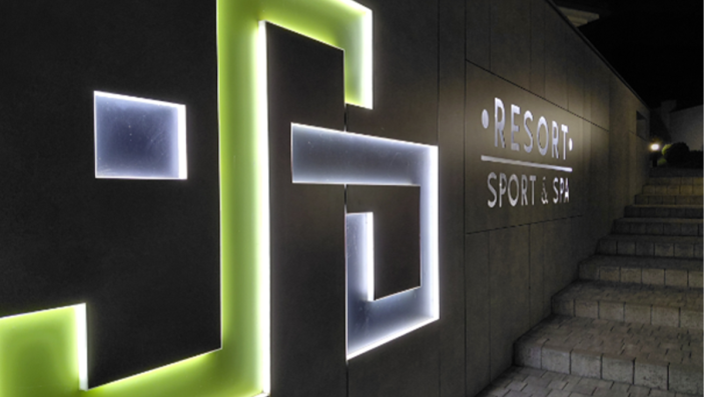
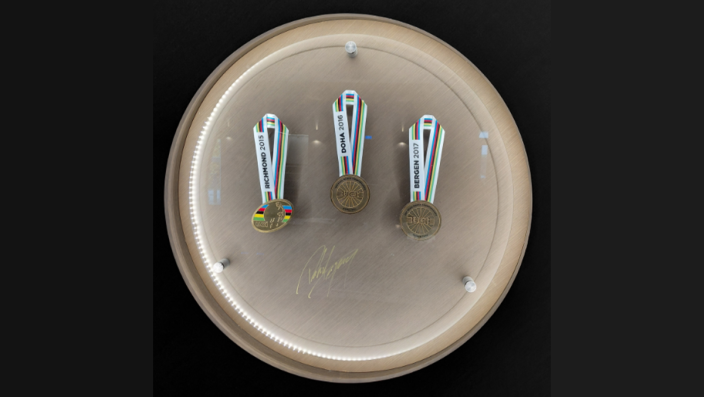
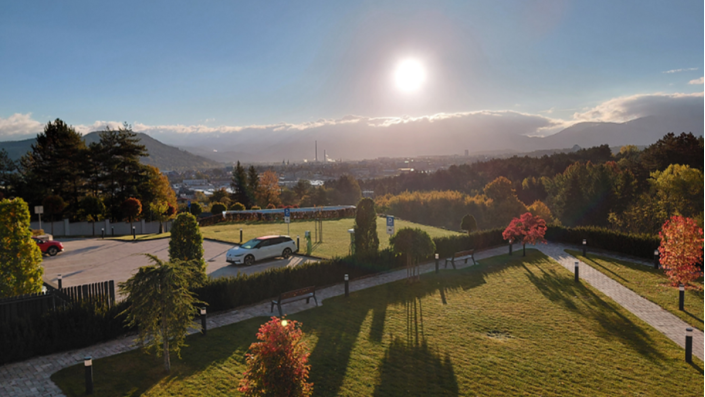
My digs? The Sports & Spa Resort of Slovak cycling legend Peter Sagan, just outside Žilina. The hotel terrace offers an awesome view of the city. After the long haul, I had time to settle in and gear up for the week ahead.
Photo Gallery: Arrival
 0 / 0
During his visit to the Slovak University UNIZA, Prof. Dr. Denis Anders stayed at the Sports & Spa Resort. (Image: Dr. Alexander Backa)
 0 / 0
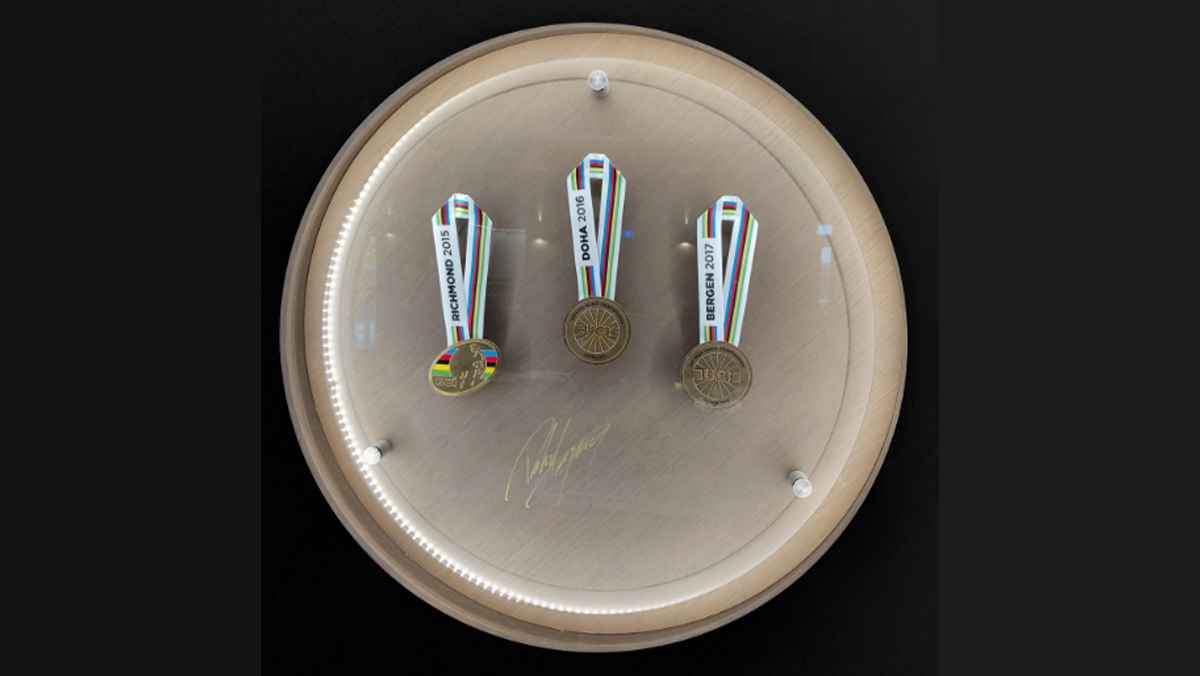
The hotel is owned by Slovak professional cyclist Peter Sagan. (Image: Dr. Alexander Backa)
 0 / 0
From the hotel terrace, there is a beautiful view of the city. (Image: Dr. Alexander Backa)
Day 1 – Settling Into the Research Center
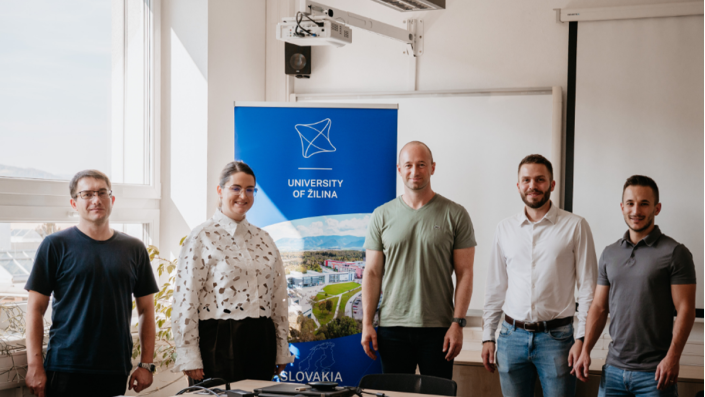
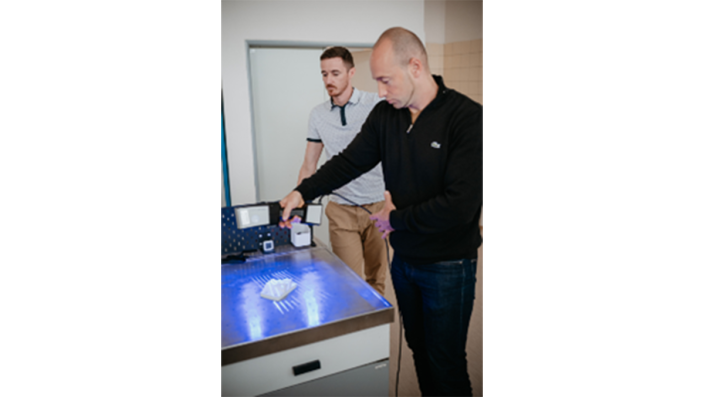
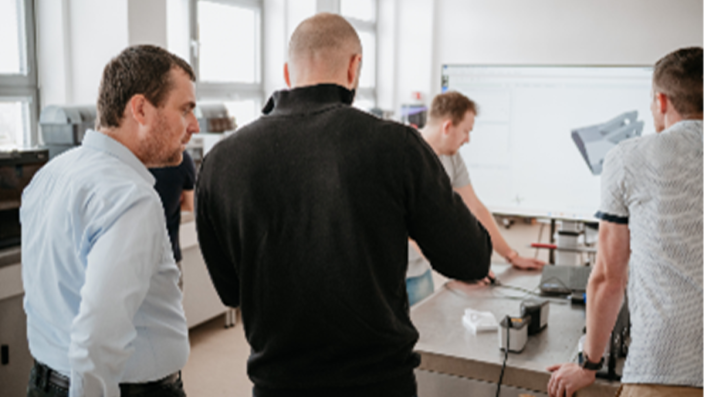
The next morning, I met my hosts at UNIZA’s research center. A quick intro at the dean’s office, then straight into the deep dive. Lab visits followed, where we talked flow mechanics, energy tech, and how to turn research ideas into real-world experiments.
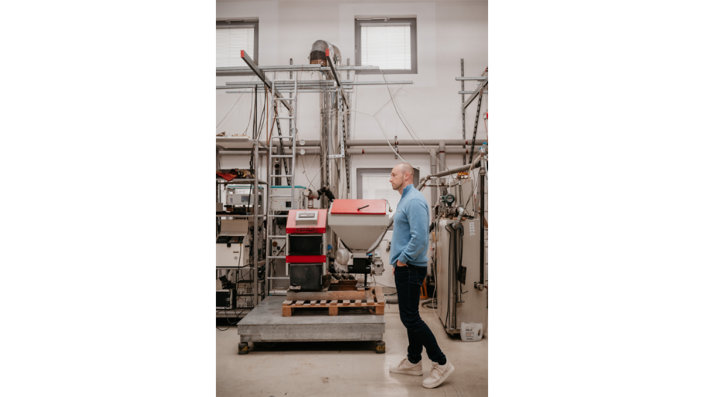
What blew me away? The sheer number of measurement setups and test rigs. At TH Köln, we lean heavily on simulations, so seeing this hands-on approach was eye-opening. We also tossed around ideas for joint projects, for example PhD programs or grant applications.
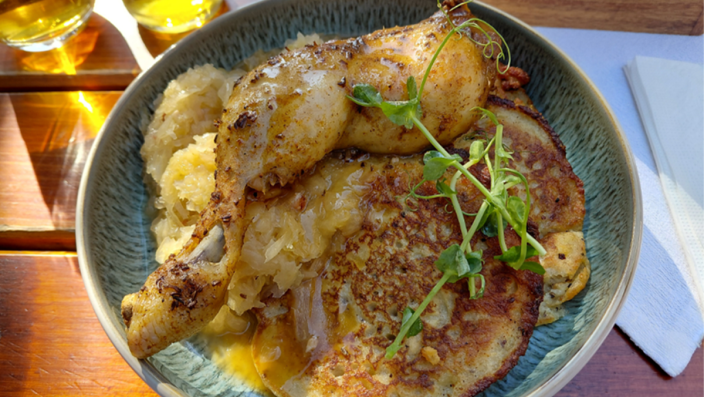
Lunch? Slovak food – delicious.
Afternoon brought more lab tours. The vibe was open, warm, and super welcoming. Dr. Alexander Backa tagged along the whole week, making campus navigation a breeze. Bonus: he’s a hobby photographer and snapped some nice shots of my visit.
Photo Gallery: Day 1
 0 / 0
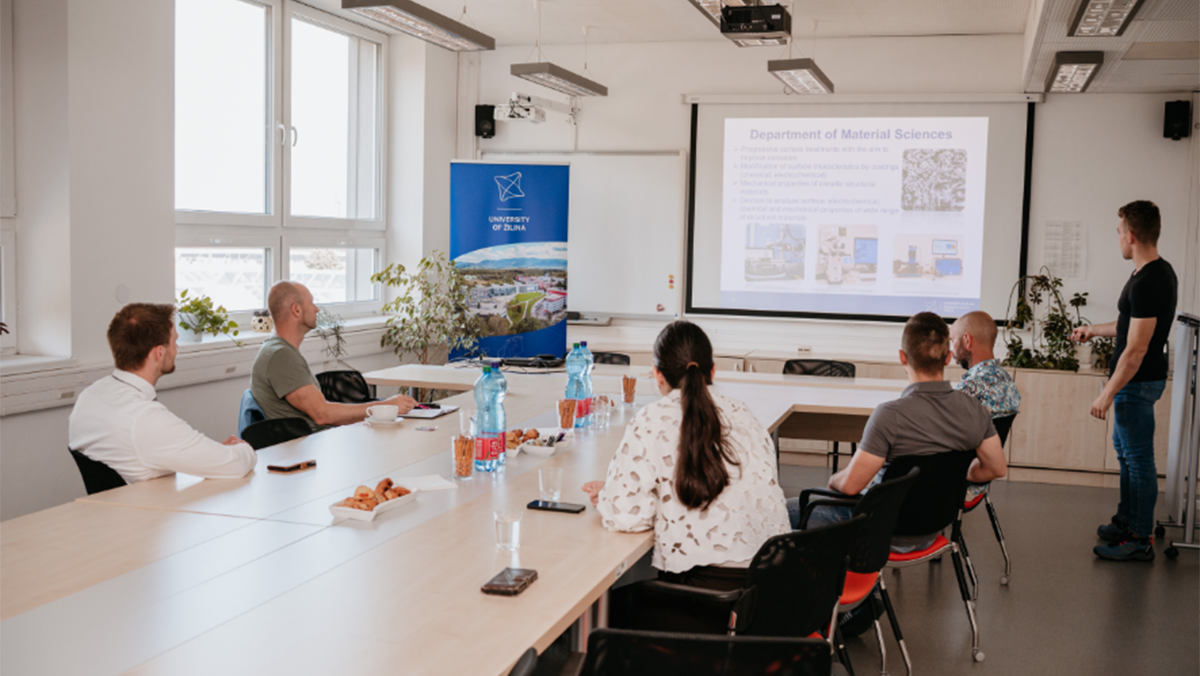
Introduction round at the UNIZA dean’s office. (Image: Dr. Alexander Backa)
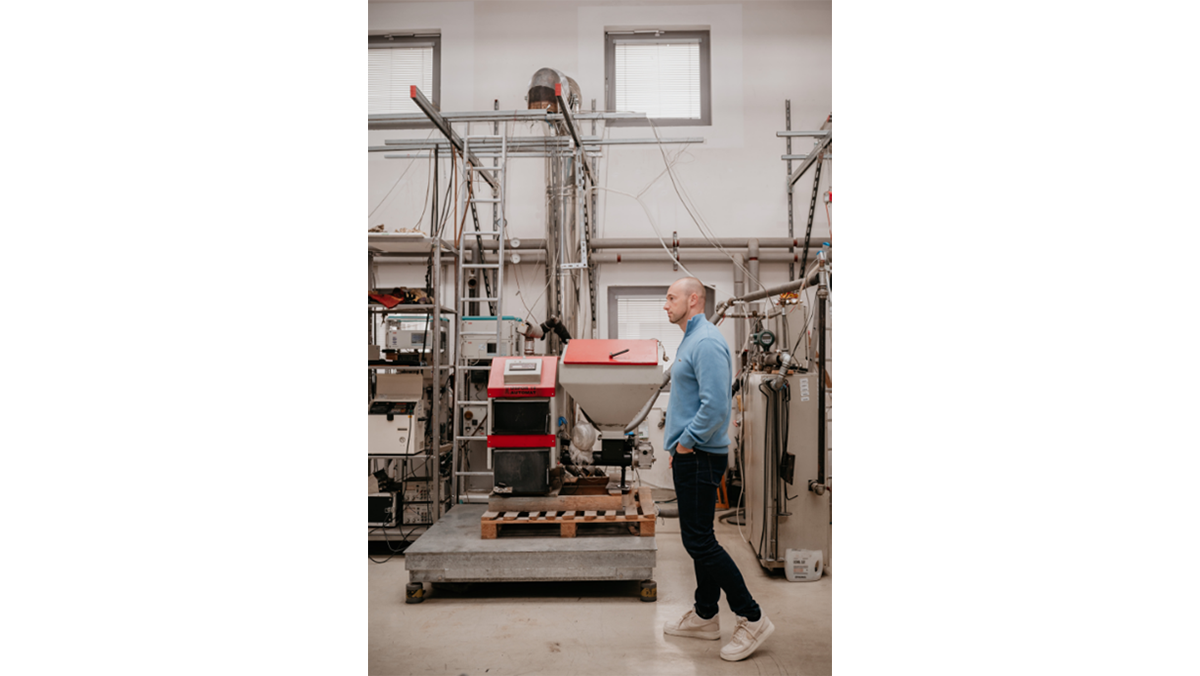 0 / 0
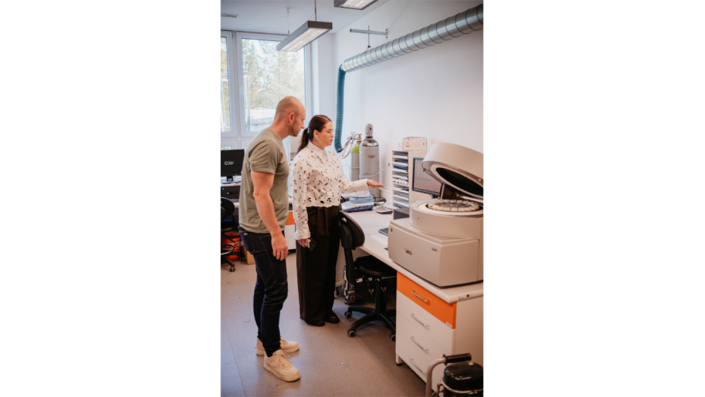
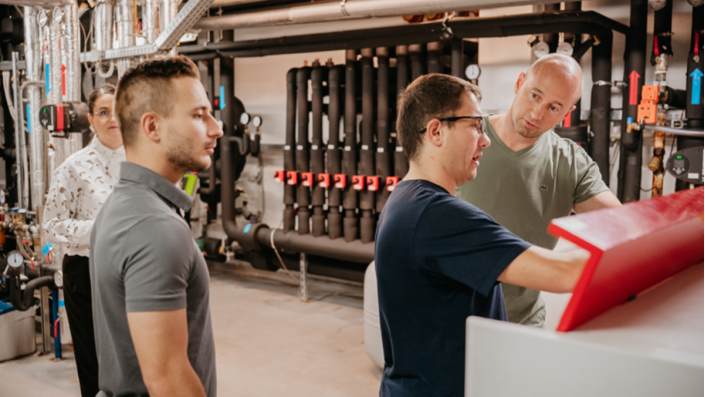
During the laboratory visits, discussions took place about laboratory projects in fluid mechanics and energy engineering. (Image: Dr. Alexander Backa)
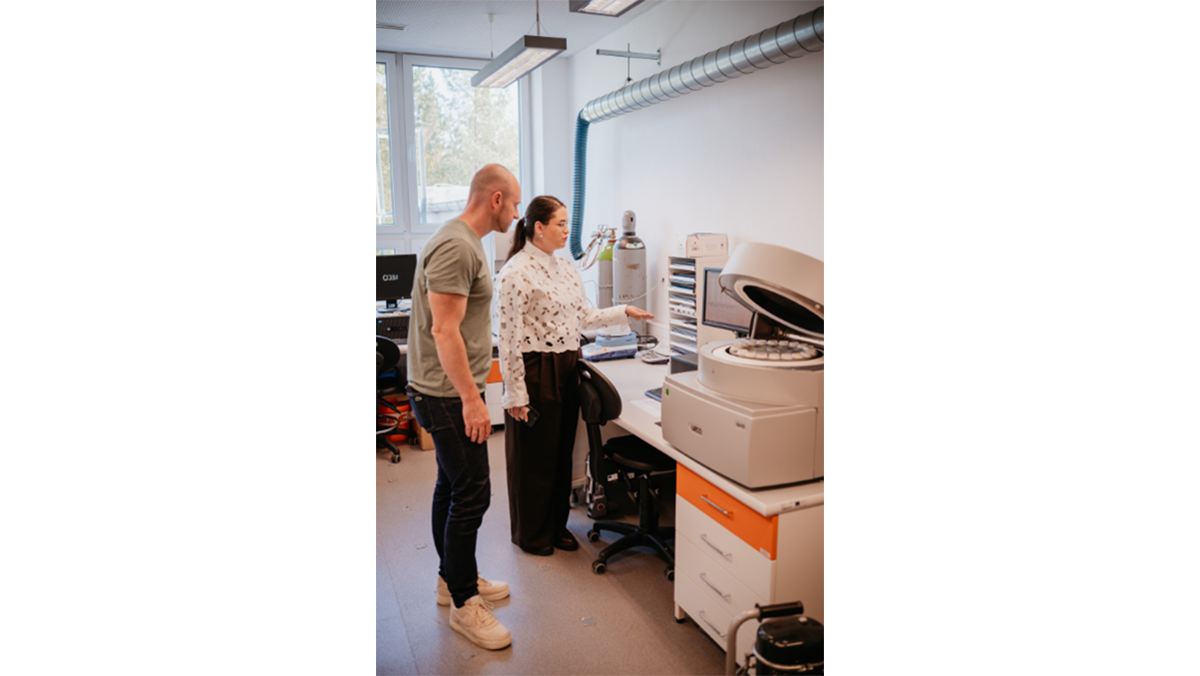 0 / 0
During the laboratory visits, discussions took place about laboratory projects in fluid mechanics and energy engineering. (Image: Dr. Alexander Backa)
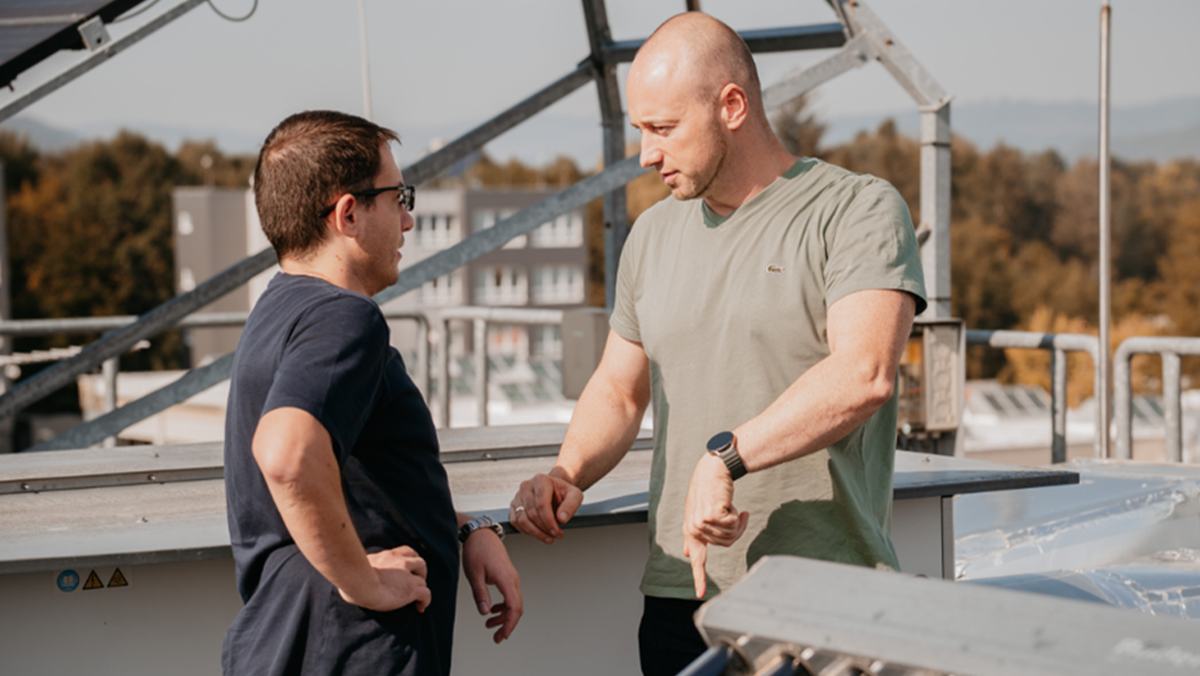 0 / 0
During the laboratory visits, discussions took place about laboratory projects in fluid mechanics and energy engineering. (Image: Dr. Alexander Backa)
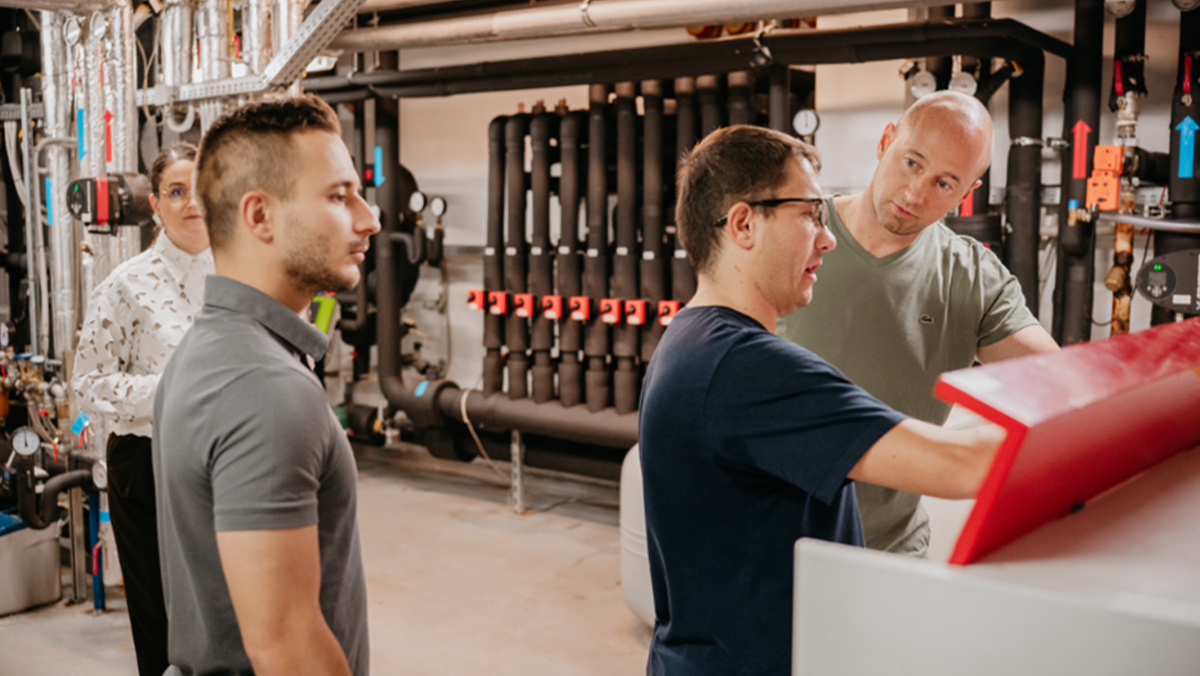 0 / 0
Prof. Anders was particularly impressed by the large number of measurement and testing setups used in the visited areas. (Image: Dr. Alexander Backa)
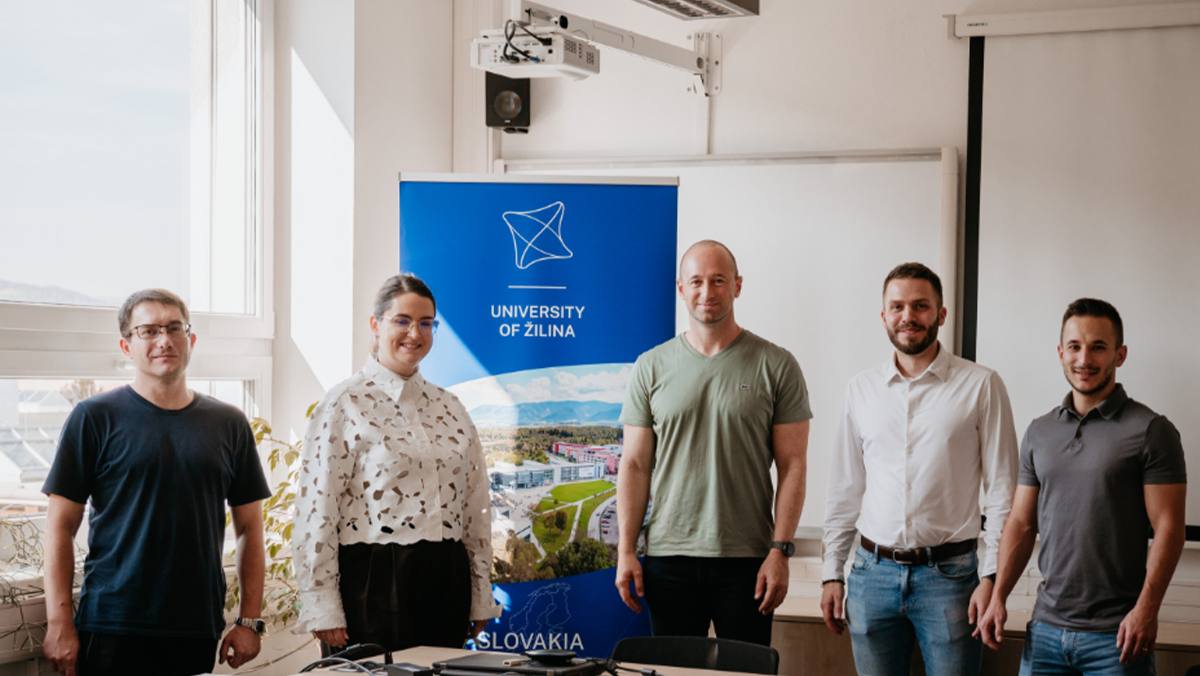 0 / 0
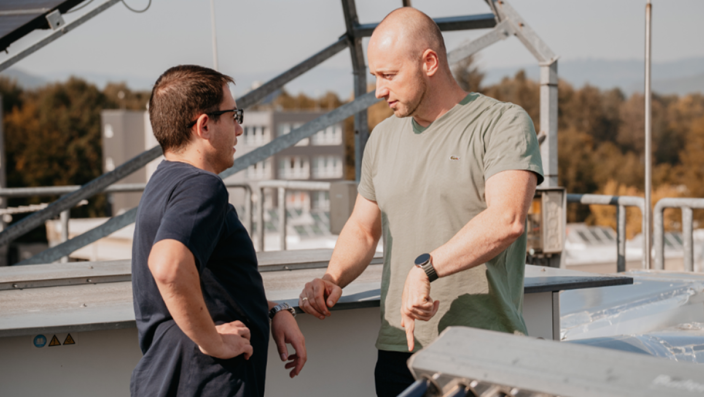
At the research center, discussions included potential joint doctoral programs or research grant applications. (Image: Dr. Alexander Backa)
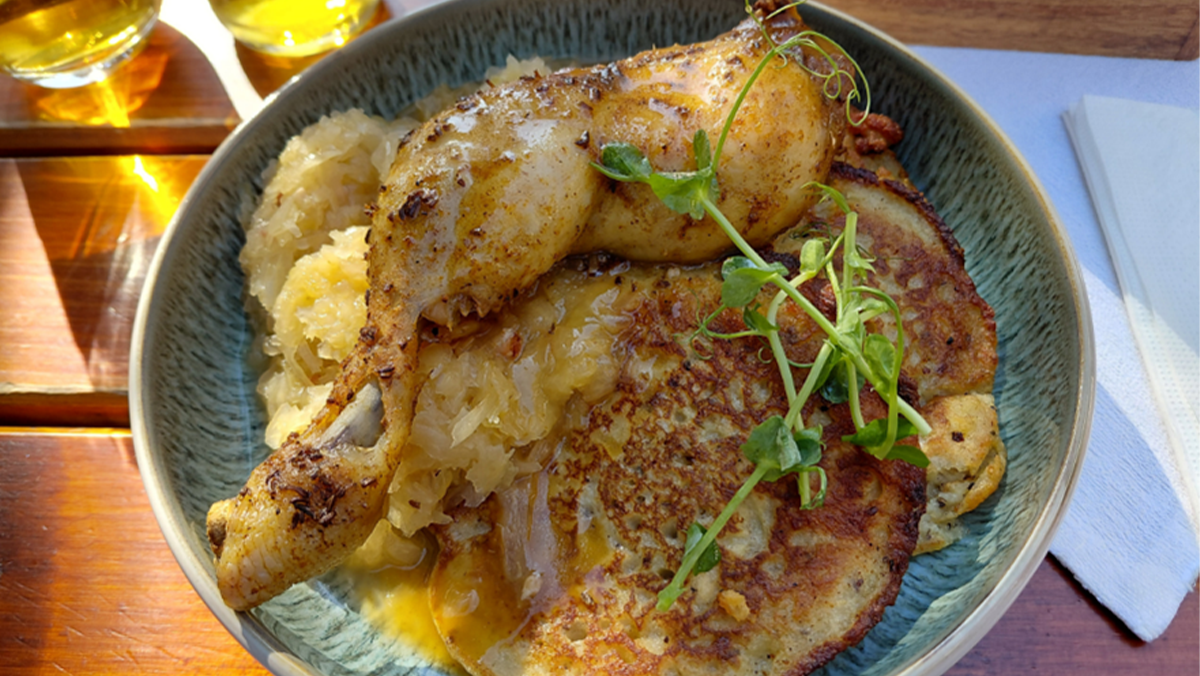 0 / 0
Lunch featured traditional Slovak cuisine. (Image: Dr. Alexander Backa)
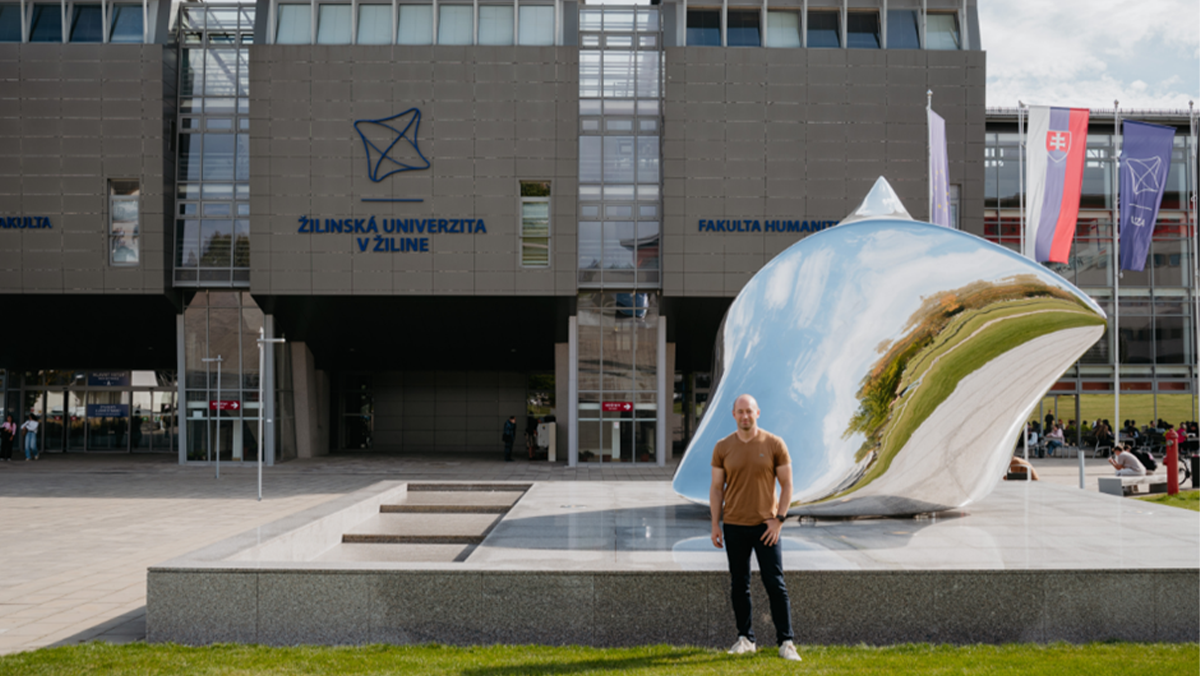 0 / 0
On the very first day, Prof. Anders took in many new impressions. (Image: Dr. Alexander Backa)
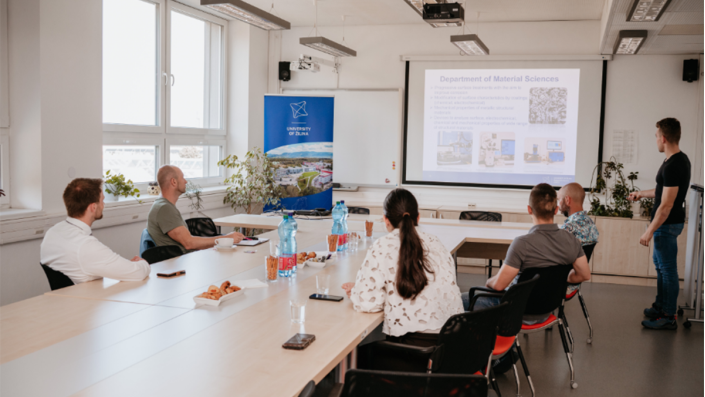
Day 2 – Damage Mechanics in a Master’s Course
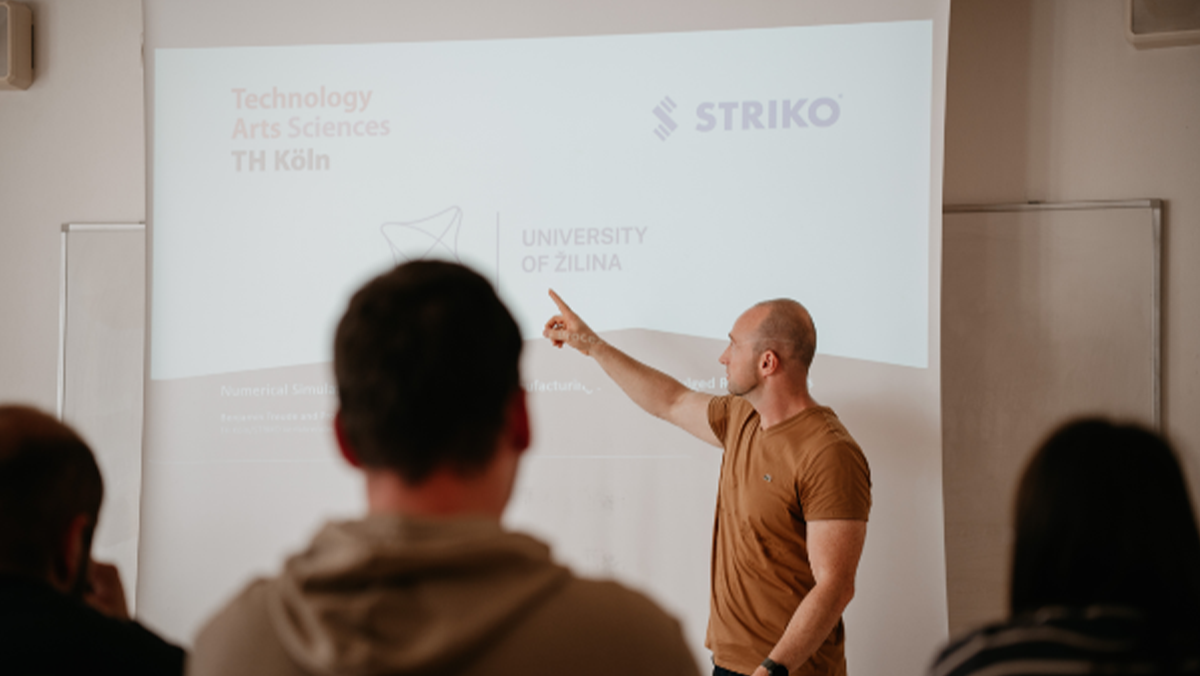
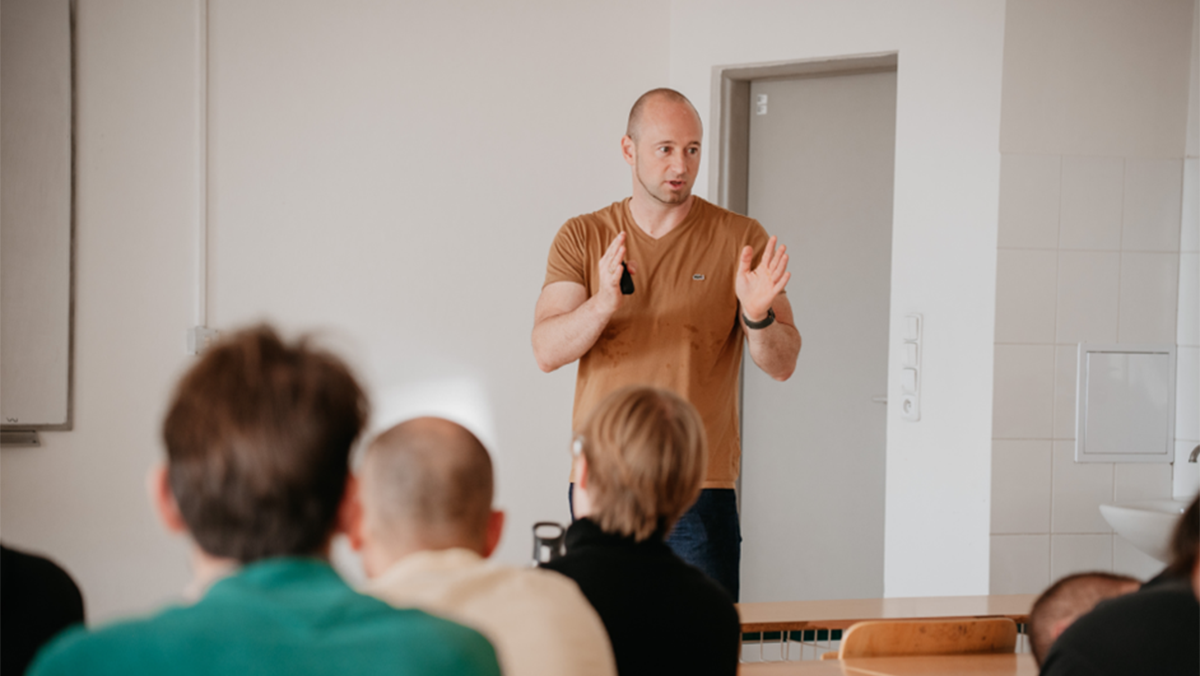
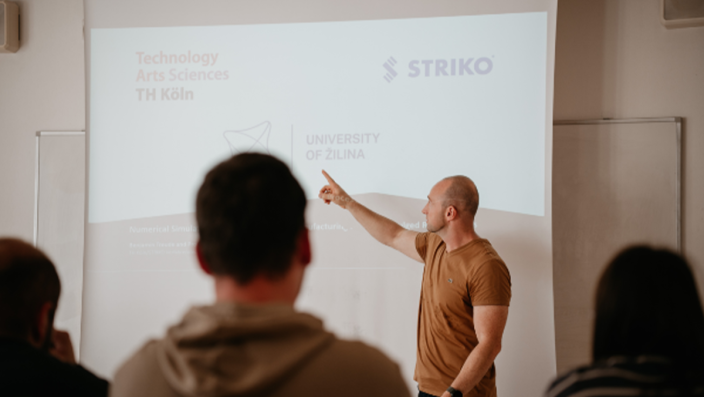
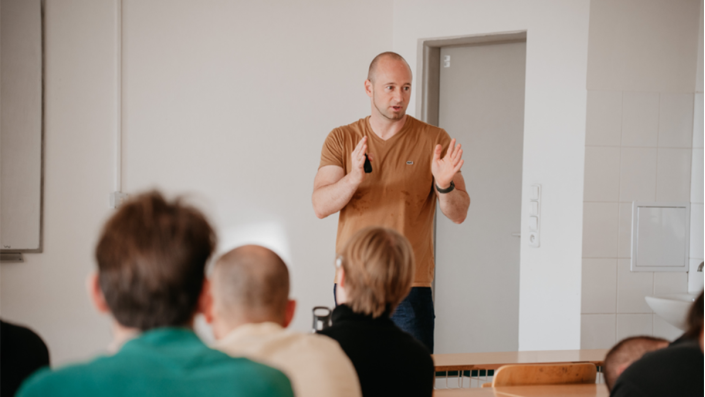
Wednesday meant my first lecture: “Damage mechanics and finite element modelling of rupture discs” in the advanced master’s course “Modelling of Nonlinear Problems in Mechanics.”
Beyond the content, I dug into the study structure. At UNIZA, mechanics and fluid dynamics are split into separate tracks, prepping students for roles in structural engineering or energy/plant tech. At TH Köln, we take a broader approach. Seeing the differences got me thinking: how do these focus areas shape education, and where can we swap ideas?
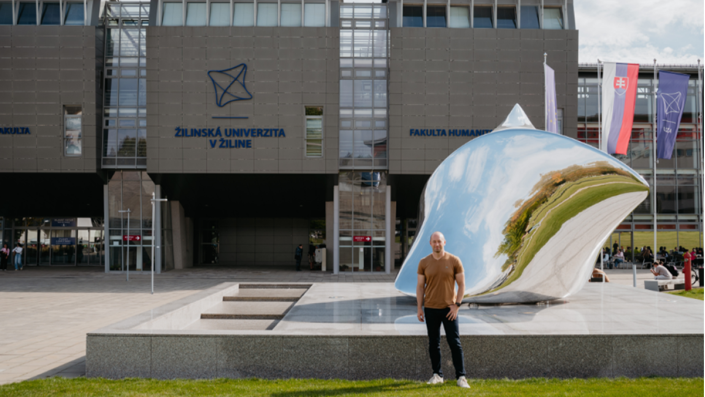
Later, I swung by the rector’s office – another chance to peek behind the scenes of the university.
Day 3 – Fluid Dynamics, Thermodynamics, and a Tiny Plane
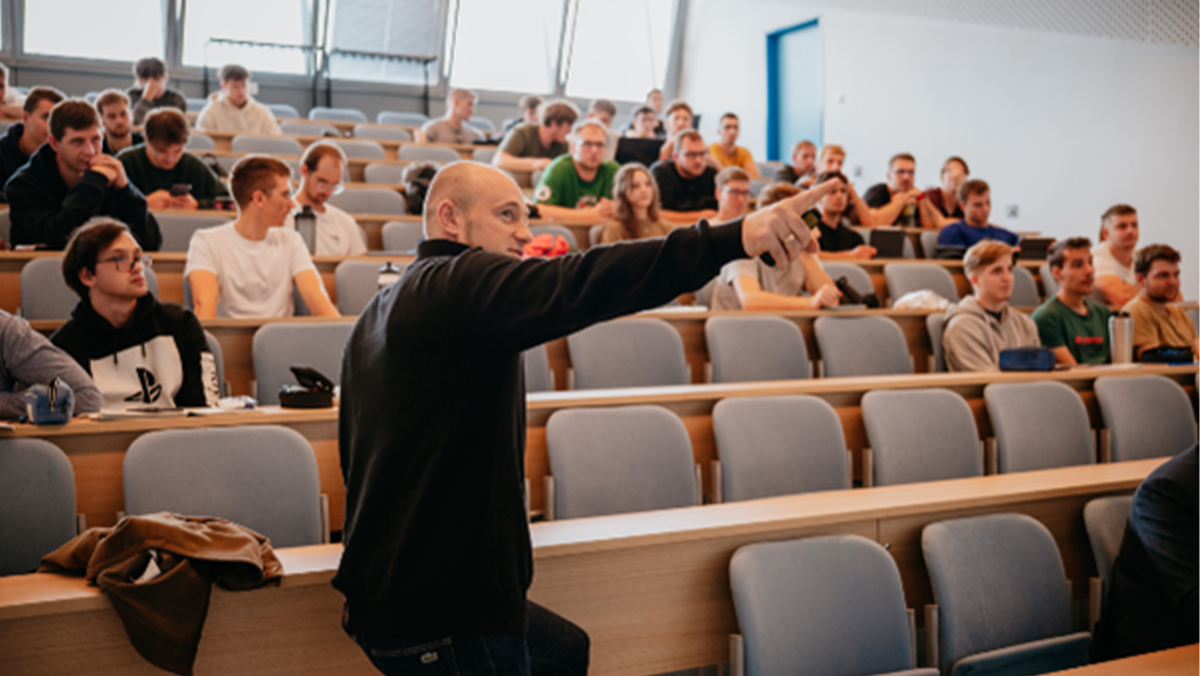
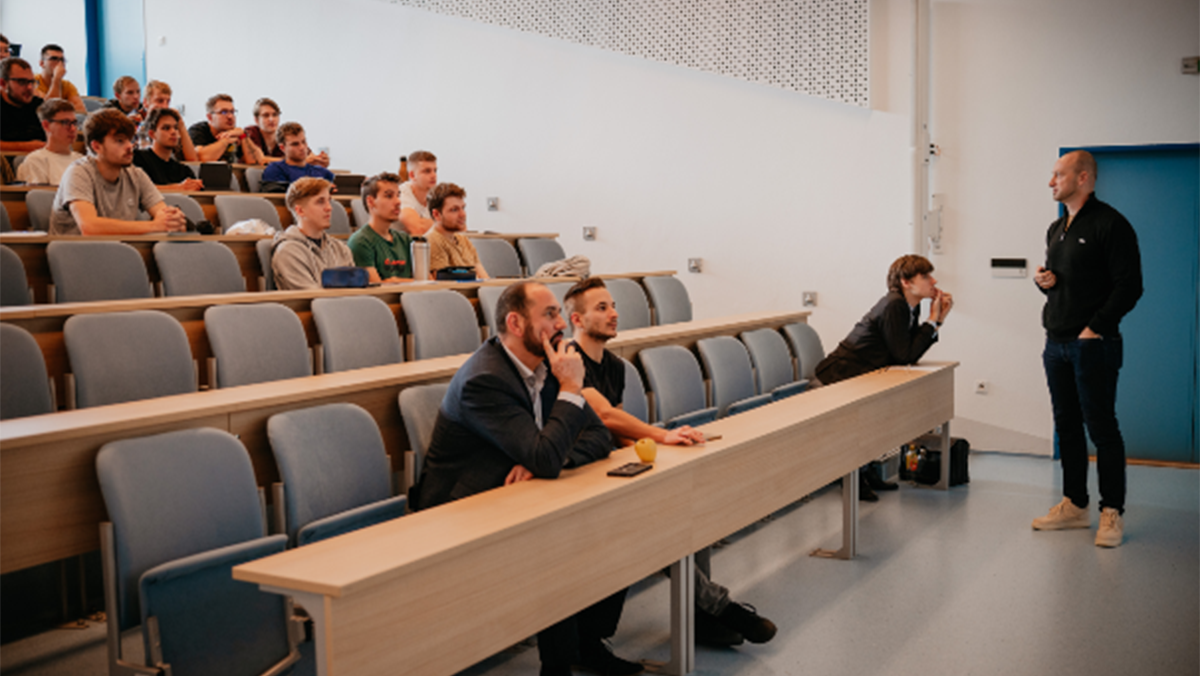
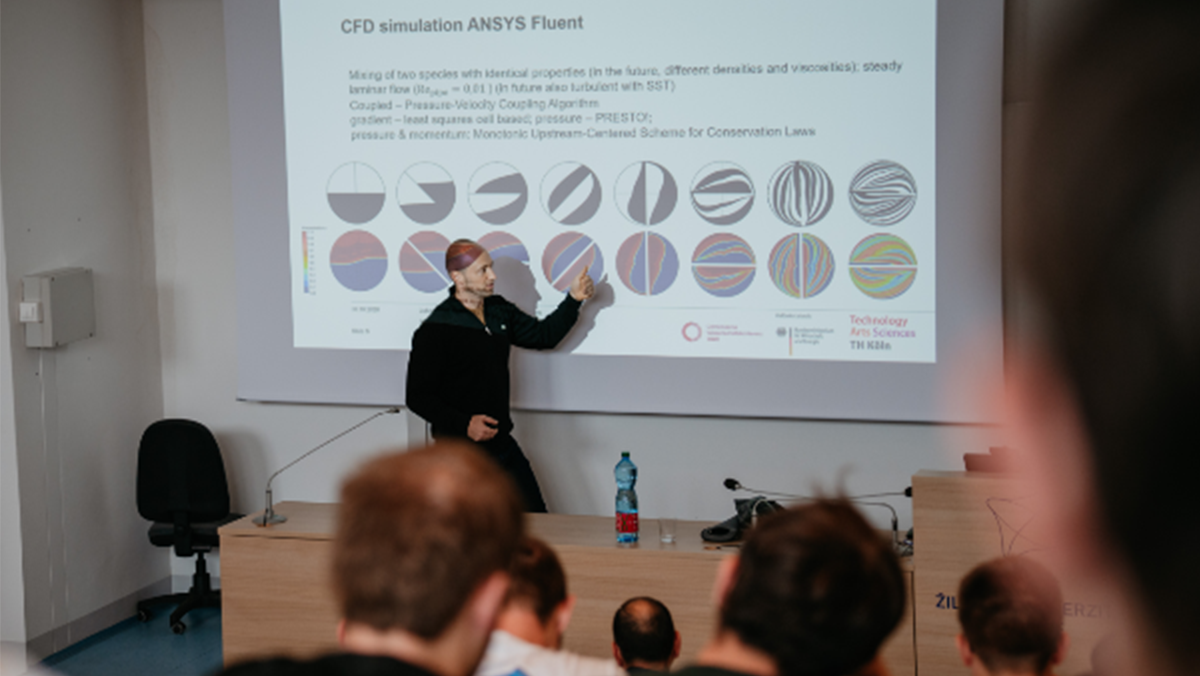
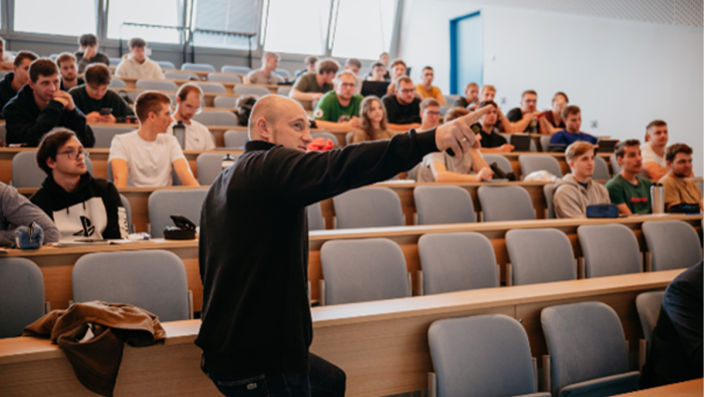
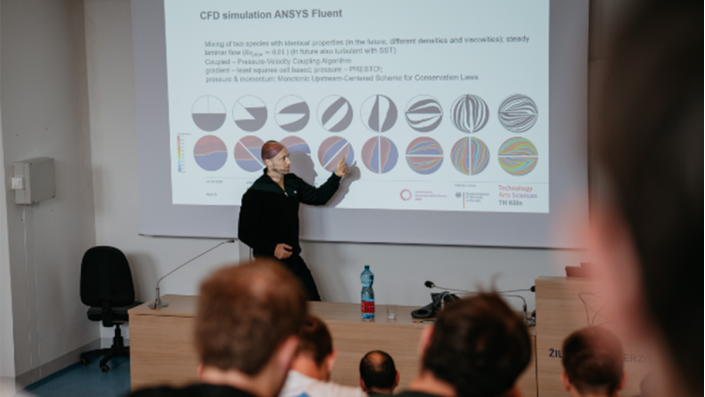
Thursday brought my second lecture: “Multiphase fluid flow, thermodynamics and modelling approaches for static mixers” for fifth-semester bachelor’s students in “Thermodynamics.”
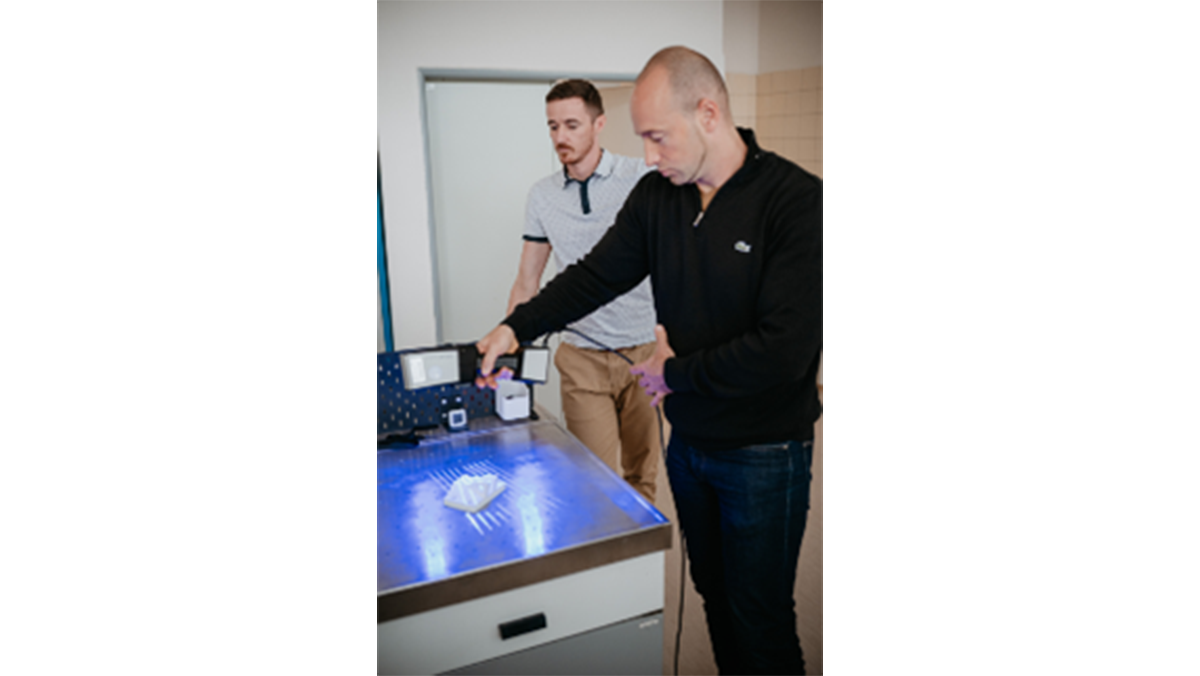
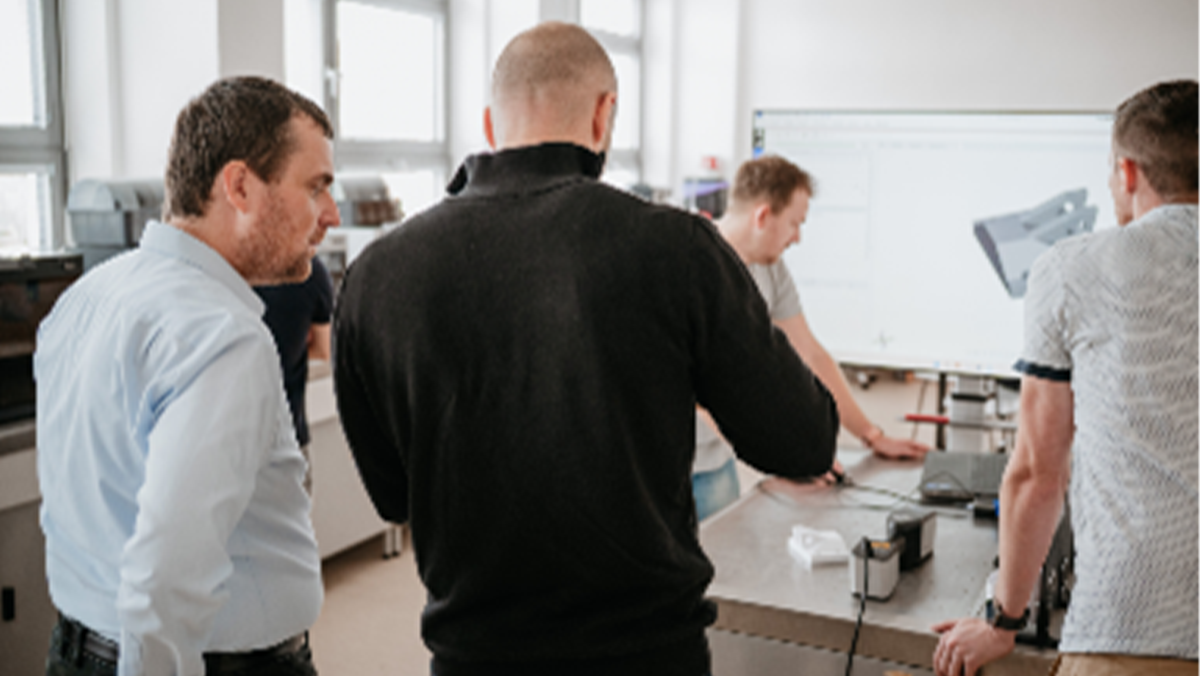
The session was interactive, the students engaged, and the exchange was a blast. Next stop: Professor Michal Sagljik’s lab in manufacturing metrology.
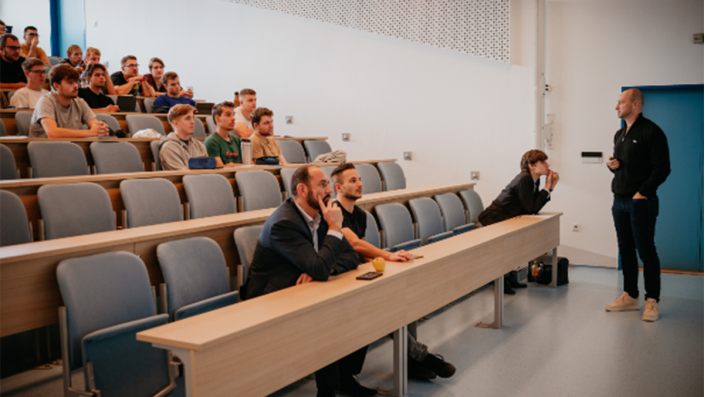
Overall, the campus felt modern and well-kept. Lecture halls were bright, spacious, and decked out with gear. Labs? Huge, with plenty of room for experiments and hands-on work.
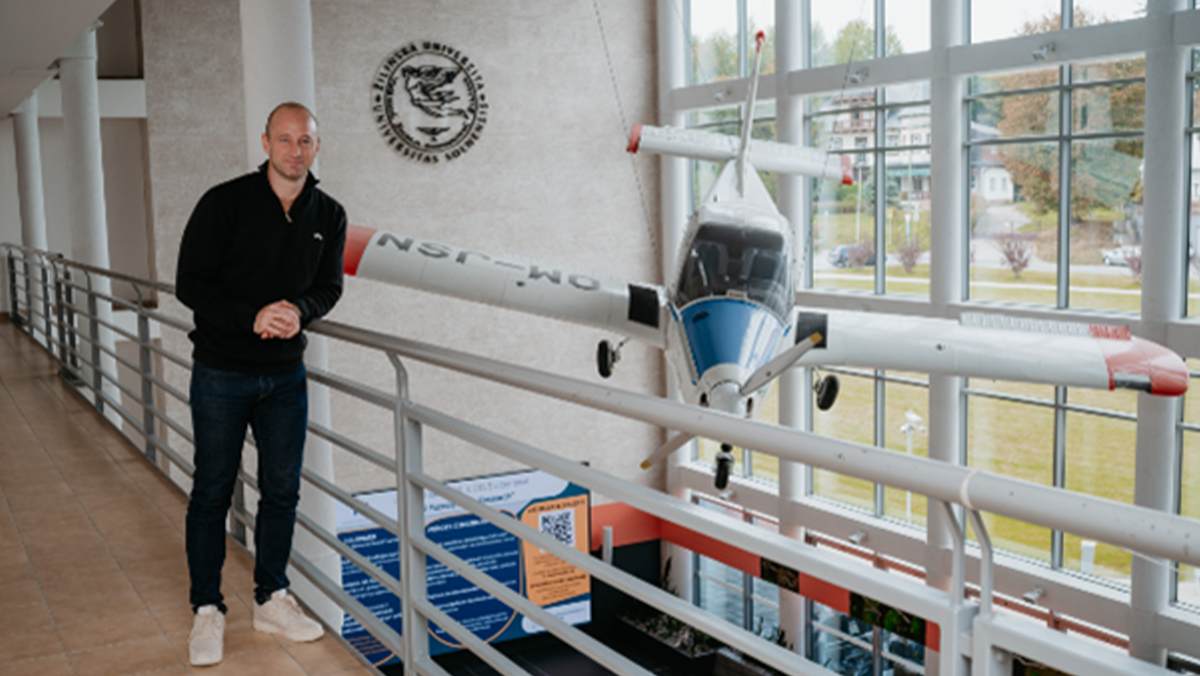
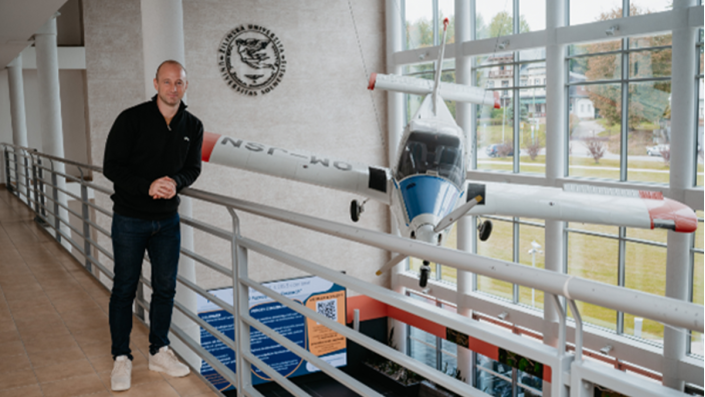
Then I spotted it – a real-life small plane hanging in the main building. Instantly memorable.
Photo Gallery: Day 3
 0 / 0
On the third day, Prof. Anders delivered another lecture. (Image: Dr. Alexander Backa)
 0 / 0
The lecture was part of the course “Thermodynamics.” (Image: Dr. Alexander Backa)
 0 / 0
The lecture was highly interactive. (Image: Dr. Alexander Backa)
 0 / 0
The university made a very modern and well-maintained impression on Prof. Anders. (Image: Dr. Alexander Backa)
 0 / 0
The lecture halls are bright, modern, and well-equipped. (Image: Dr. Alexander Backa)
 0 / 0
In the main building, a real small airplane is suspended from the ceiling – an unexpected eye-catcher. (Image: Dr. Alexander Backa)
Farewell – With Fresh Ideas in My Bag
By Friday, I was back at Vienna Airport, winging my way to Cologne. Behind me lay a packed week of meetings, lab tours, and deep dives into research.
I left with new contacts, an expanded network, and a handful of solid ideas for future collaborations in teaching and research. The hands-on look at UNIZA’s labs and workflows was invaluable, and the chats sparked concrete next steps to explore.
Sure, the travel was a bit of a hassle – but it was totally worth it. Žilina? Definitely a trip worth taking.
October 2026