


Green Light for the Center for Innovation with Nature (CEIN)
TH Köln Receives Approximately 133 Million Euros in Funding
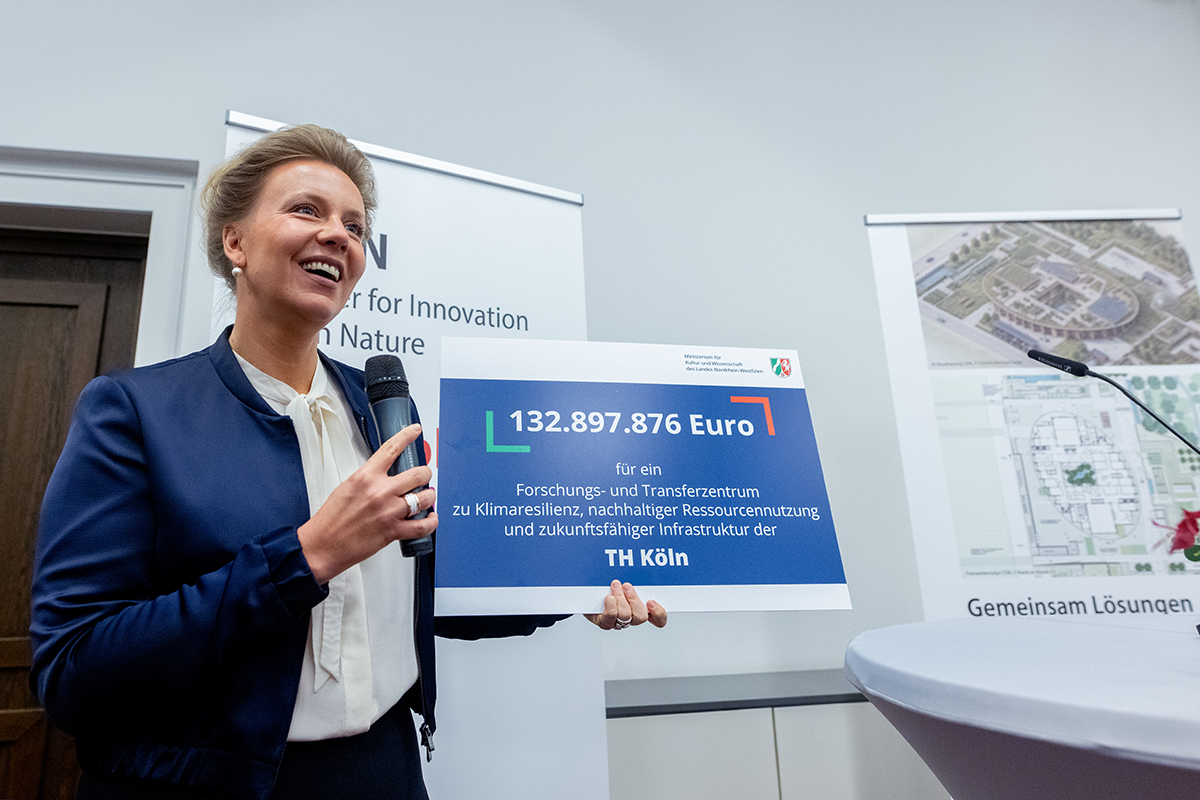
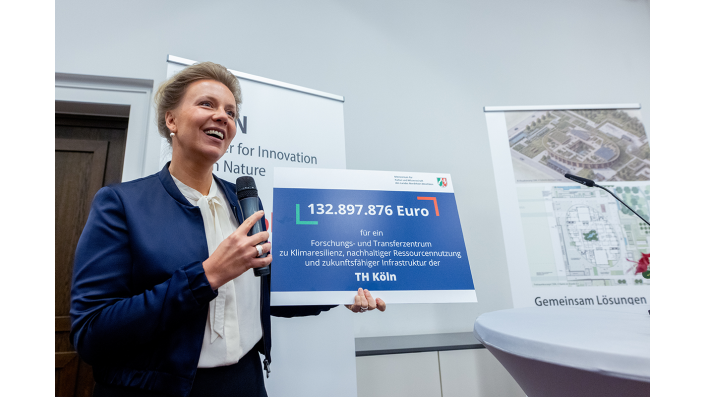
Ina Brandes, NRW’s Minister of Science, today presented the funding approval for the Center for Innovation with Nature (CEIN) to TH Köln. With funding totaling approximately 133 million euros, the university in Erftstadt-Liblar will establish a research and technology transfer center dedicated to three major themes: climate resilience, sustainable resource use, and future-proof infrastructure systems. The project is jointly funded by the federal government and the state of North Rhine-Westphalia under the “Investment Act for Coal-Mining Regions.”
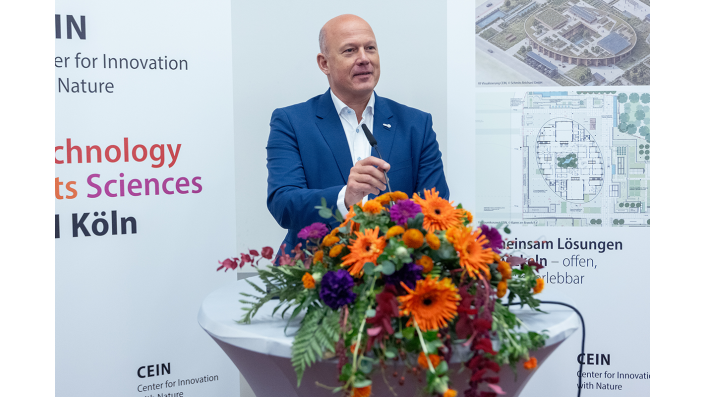
“Where coal once ensured people’s prosperity, a European model region for energy supply and climate protection is now emerging, fueled by the new raw material: knowledge. The Rhineland mining region is the perfect environment for CEIN—a center for climate research, a breeding ground for new ideas, and a catalyst for knowledge transfer, enabling the development of new products based on scientific findings and the creation of added value from them. We owe our good jobs, prosperity, and social security to this triad. CEIN benefits both the scientific community and the people of the Rhineland Coalfield, who are invited to contribute to CEIN’s success with their smart ideas and everyday experience,” said Science Minister Ina Brandes.
Mona Neubaur, Minister of Economic Affairs and Climate Protection: “Heat, drought, and historically low water levels have shown that we need to better prepare ourselves for the impacts of the climate crisis. Anyone who wants to know how we’ll deal with climate change in the future and better plan homes, roads, and cities needs to come to the Rhineland Mining Region. At CEIN, science, business, and civil society find a space for exchange and shared ideas. The region itself benefits directly from the solutions developed here for greater climate resilience—that’s structural change that makes a difference in people’s everyday lives.”
Gallery
 0 / 0
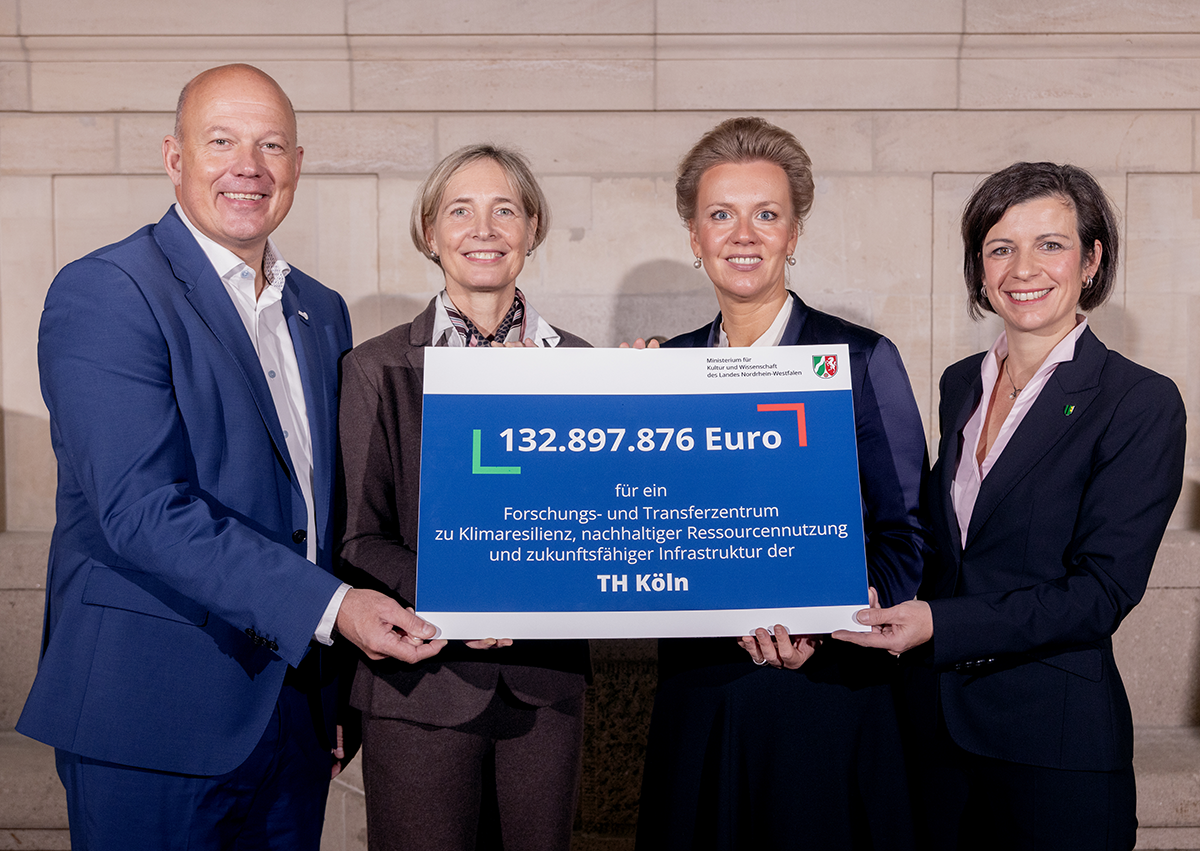
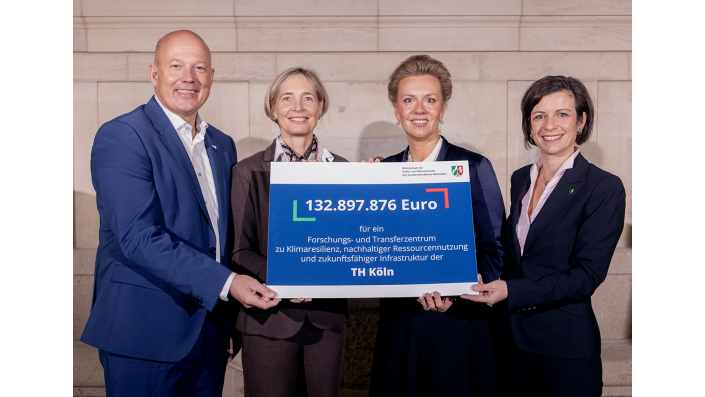
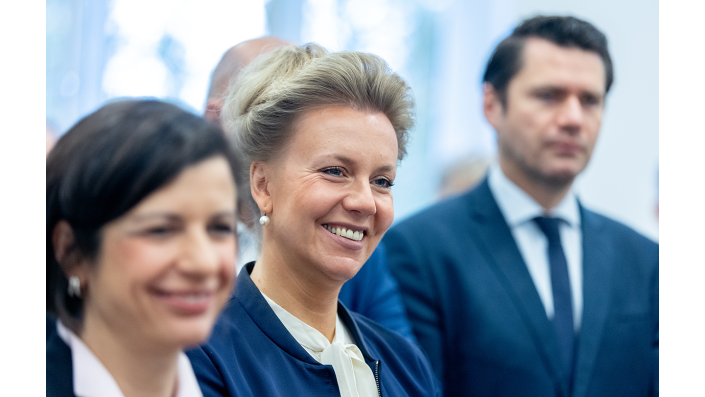
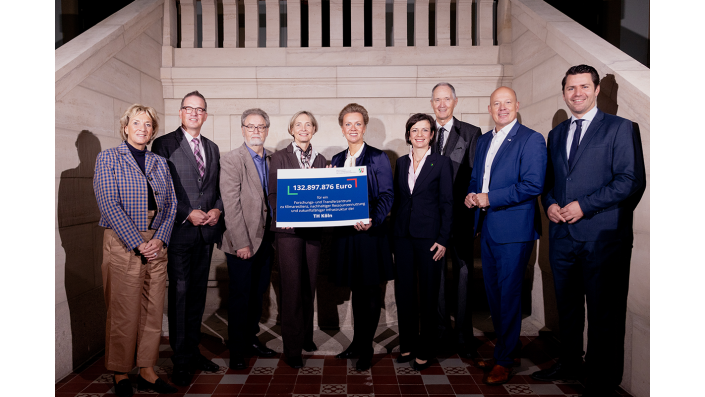
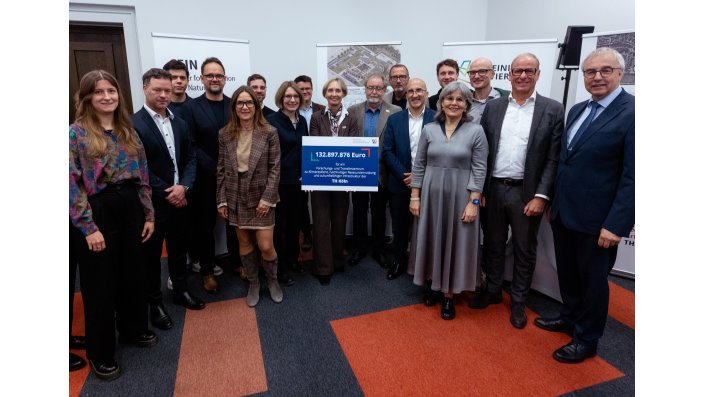
NRW Minister of Science Ina Brandes (3rd from left) presented the grant notification in the amount of approximately 133 million euros to TH Köln Prof. Dr. Sylvia Heuchemer (2nd from left) in the presence of Carolin Weitzel, Mayor of Erftstadt, and Frank Rock, District Administrator of the Rhein-Erft District. (Image: Thilo Schmülgen / TH Köln)
 0 / 0
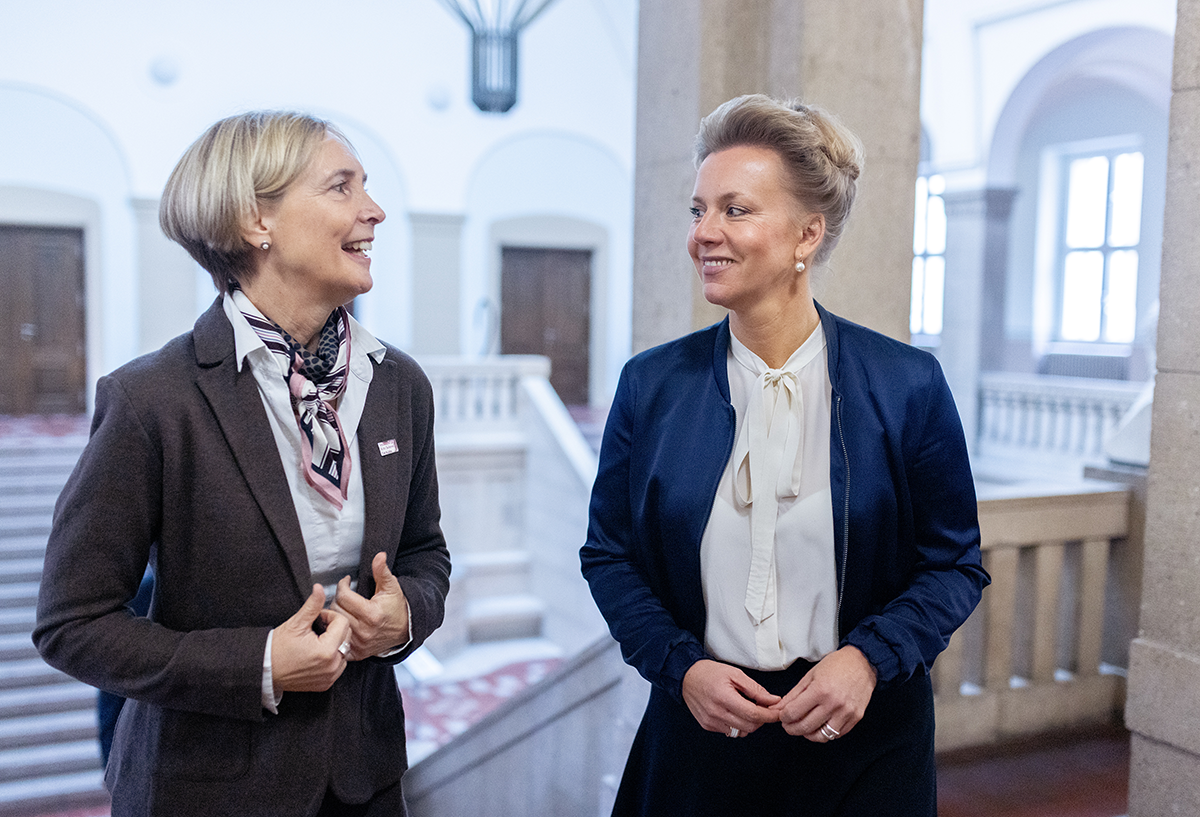
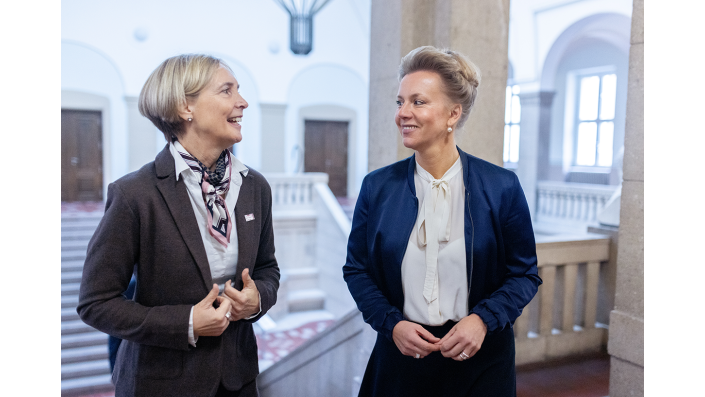
Prof. Dr. Sylvia Heuchemer and Ina Brandes in conversation during the presentation of the grant award for CEIN. (Image: Thilo Schmülgen / TH Köln)
 0 / 0
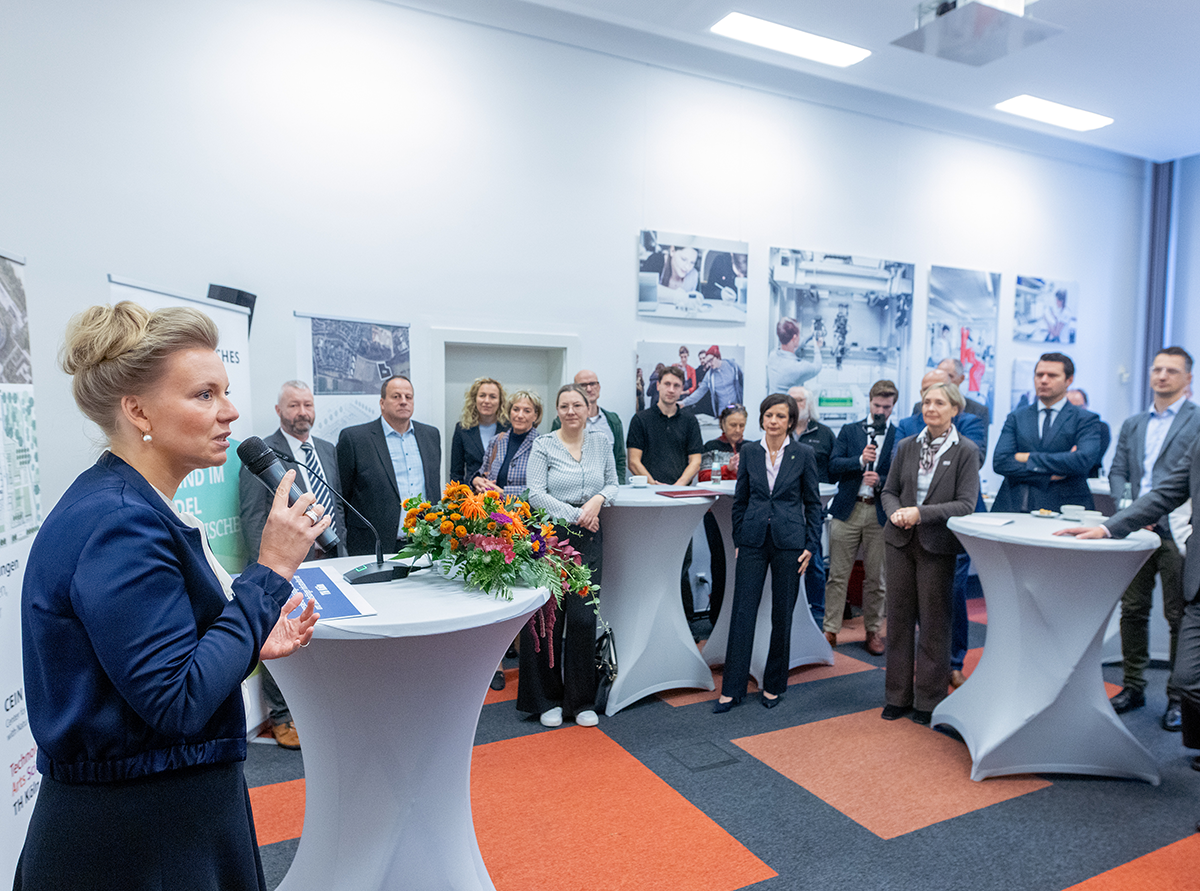
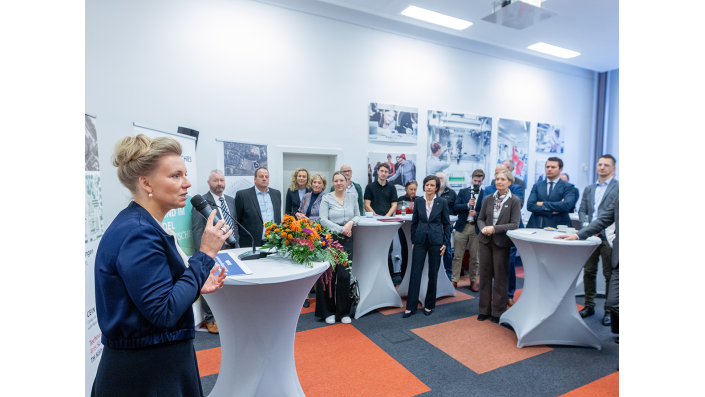
“Where coal once ensured people’s prosperity, a European model region for energy supply and climate protection is now emerging with knowledge as the new raw material,” said Ina Brandes about the Center for Innovation with Nature (CEIN). (Image: Thilo Schmülgen / TH Köln)
 0 / 0
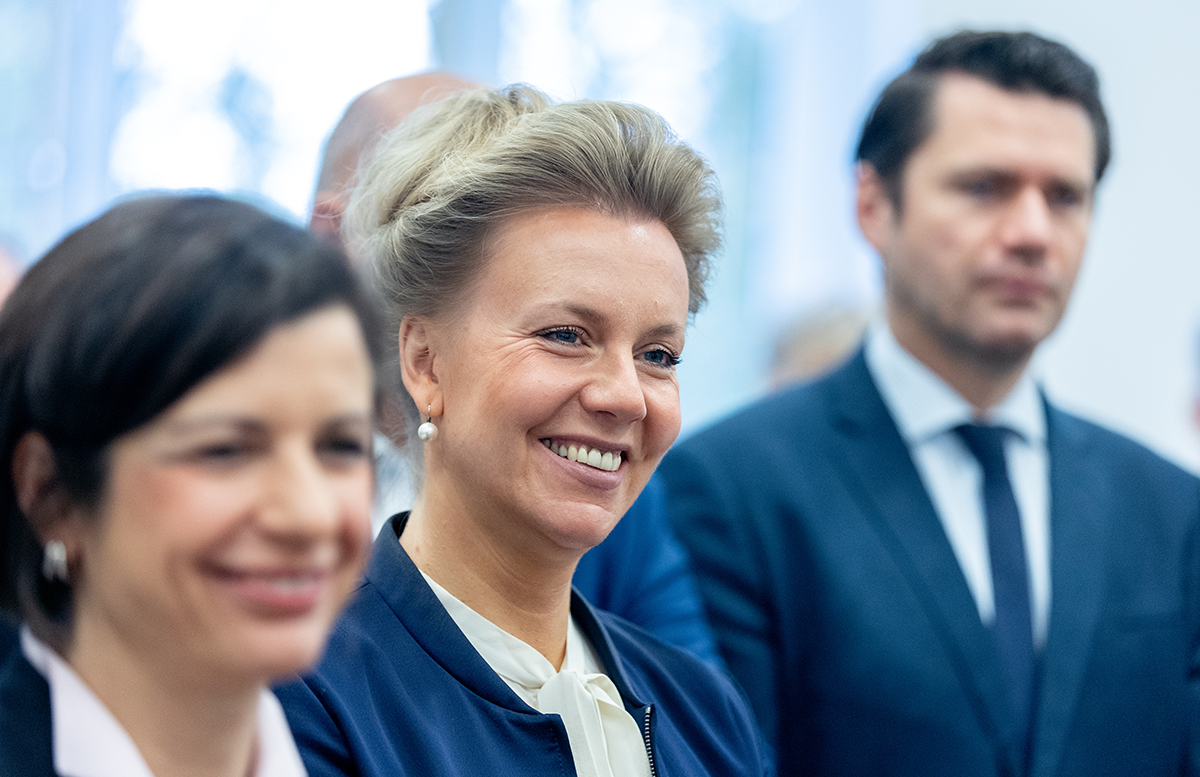
The project is jointly funded by the federal government and the Ministry of Culture and Science of the State of North Rhine-Westphalia under the “Investment Act for Coal-Mining Regions.” (Image: Thilo Schmülgen / TH Köln)
 0 / 0
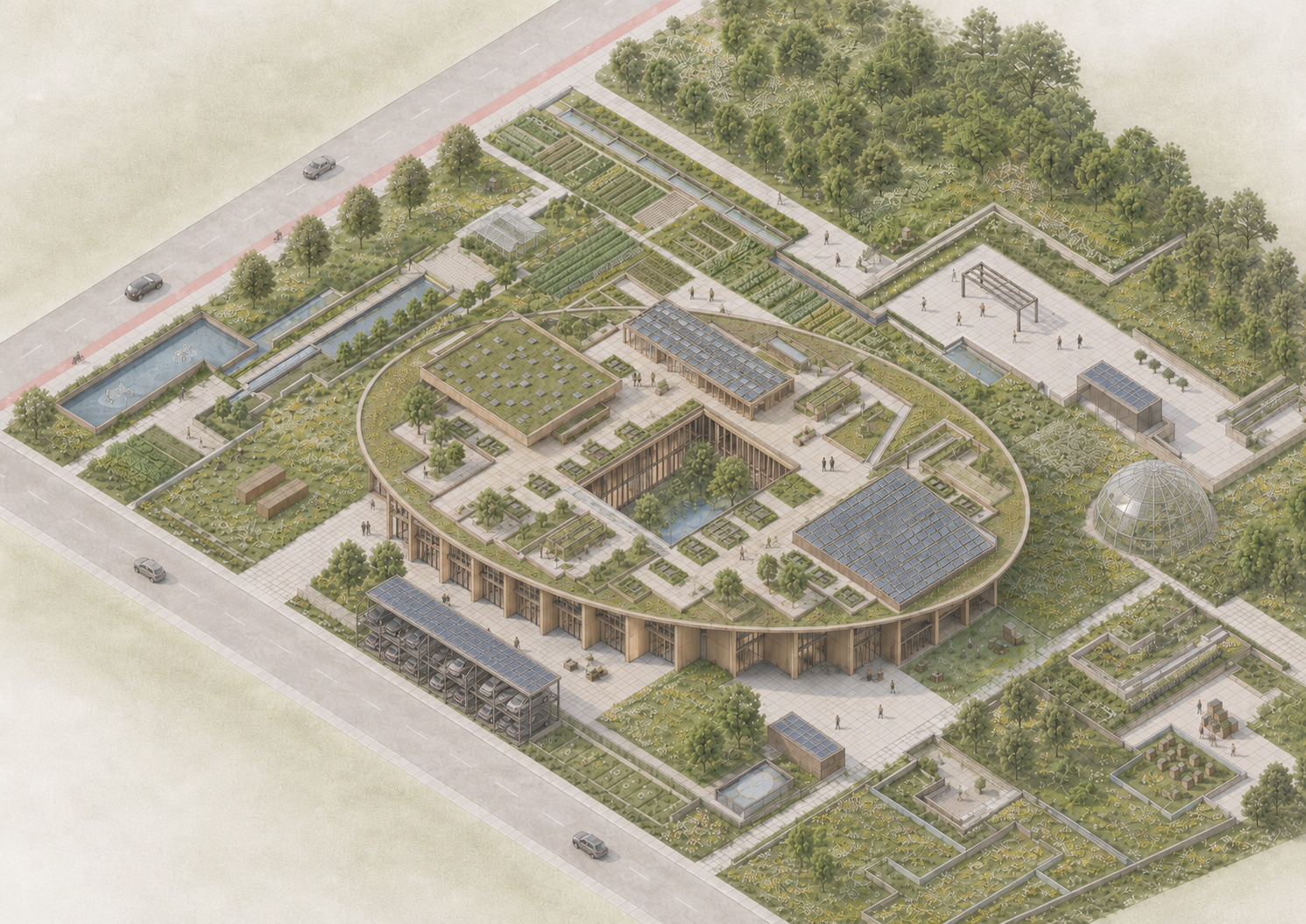
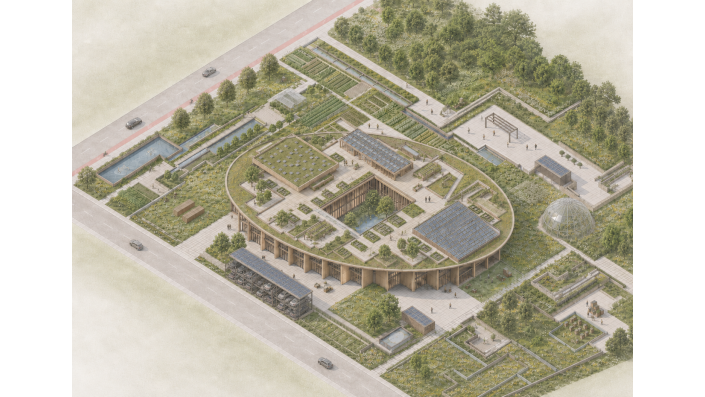
CEIN AI visualization: Schmitz.Reichard GmbH; design: Burgmer/Karzel/Kröll/Pape (all from TH Köln) (Image: KI-generiert / Schmitz.Reichard GmbH / TH Köln)
 0 / 0
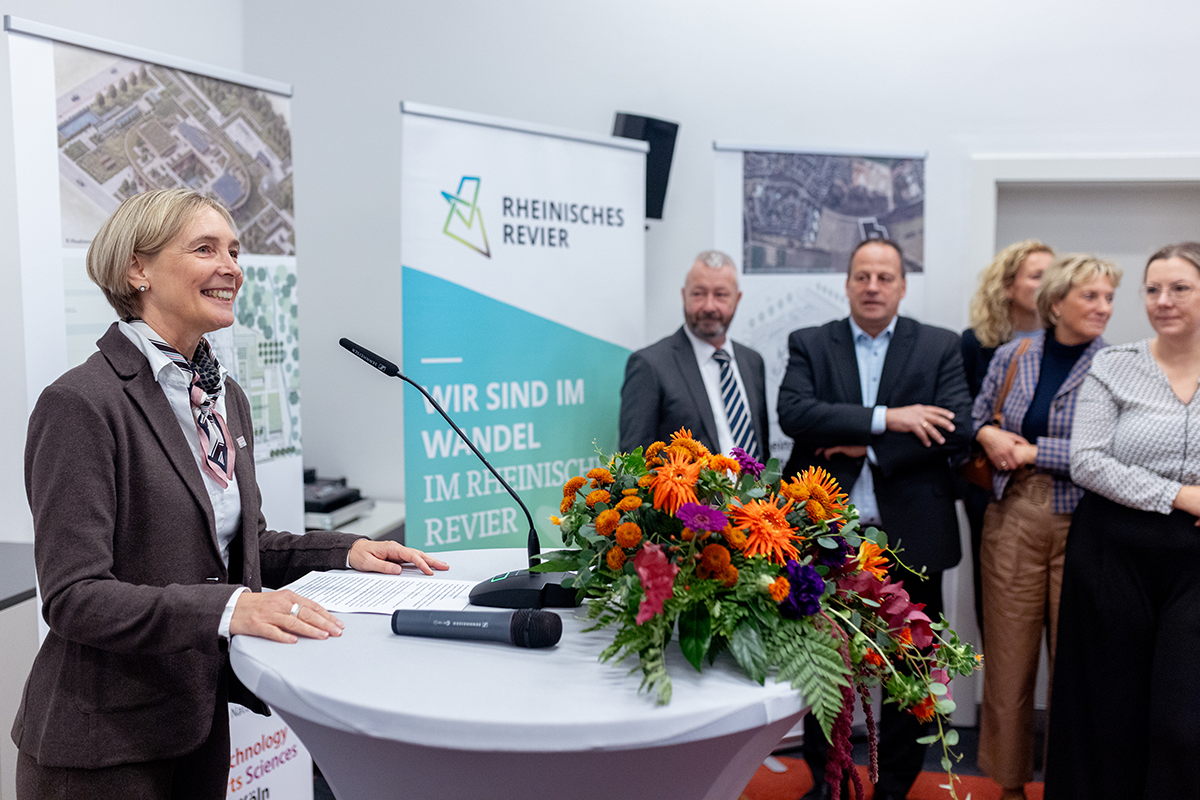
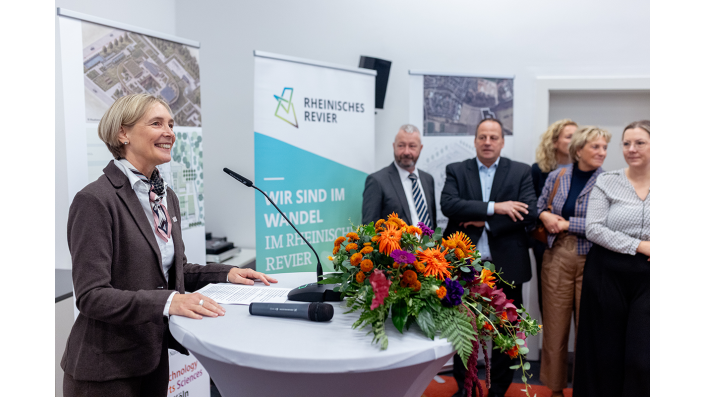
Participants were welcomed by University President Prof. Dr. Sylvia Heuchemer during the presentation of the funding notification. She emphasized that, with CEIN, TH Köln aims to create a place where science and society can jointly seize the opportunity for structural change in former lignite mining regions such as the Rhenish Mining District. (Image: Thilo Schmülgen / TH Köln)
 0 / 0
“The Rhenish Mining Region is the perfect environment for CEIN—a center for climate research, a breeding ground for new ideas, and a catalyst for knowledge transfer, enabling the development of new products based on scientific findings and the creation of added value from them.” (NRW Minister of Science Ina Brandes) (Image: Thilo Schmülgen / TH Köln)
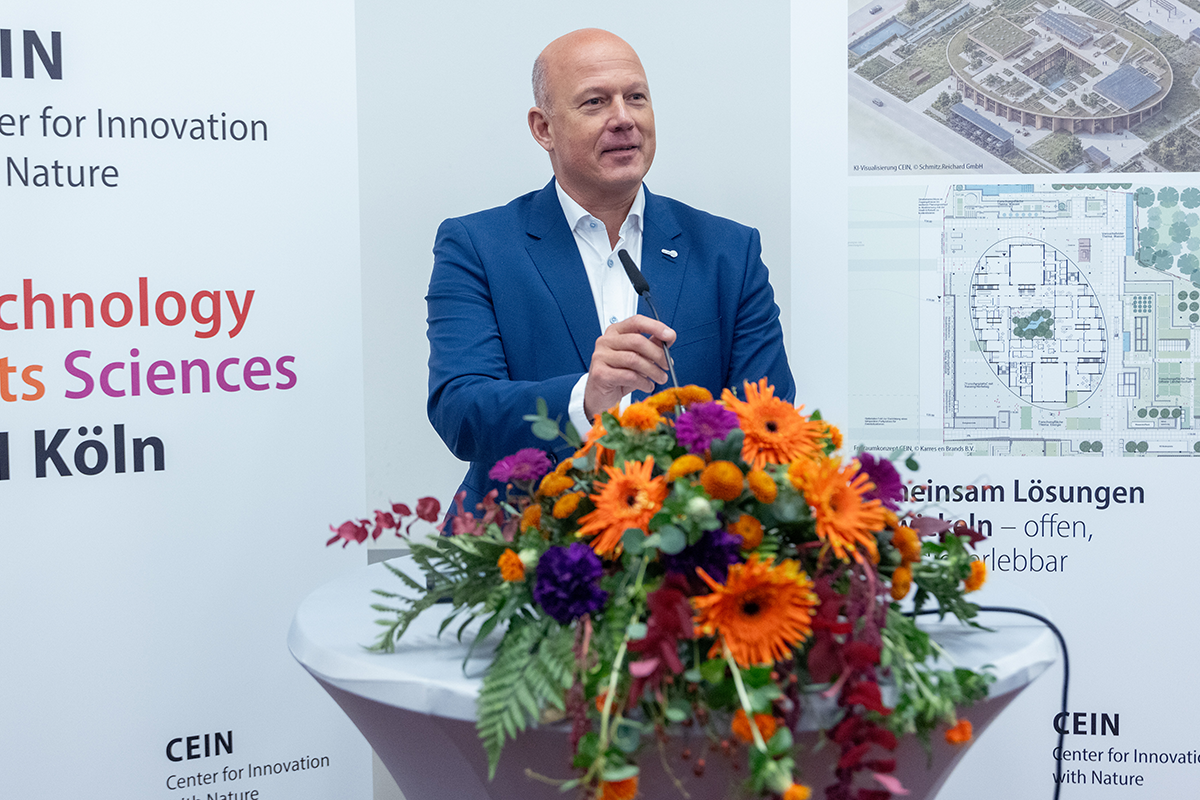 0 / 0
Frank Rock, District Administrator of the Rhein-Erft District, hopes that CEIN will lay an important foundation so that structural change opens up new prospects for the people of the Rhein-Erft District. (Image: Thilo Schmülgen / TH Köln)
 0 / 0
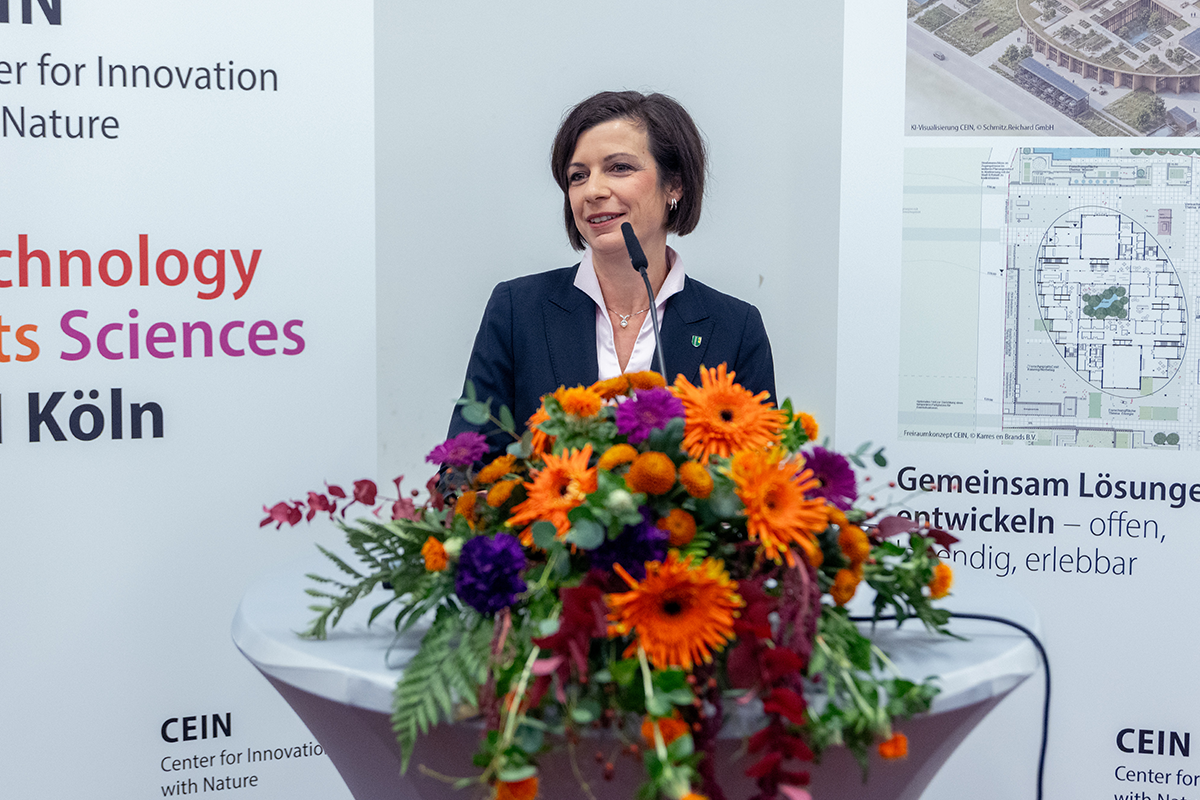
For Erftstadt Mayor Carolin Weitzel, the CEIN marks “the beginning of the development of a new urban and rural area in which science, work, housing, mobility, nature, and local recreation are interconnected.” (Image: Thilo Schmülgen / TH Köln)
 0 / 0
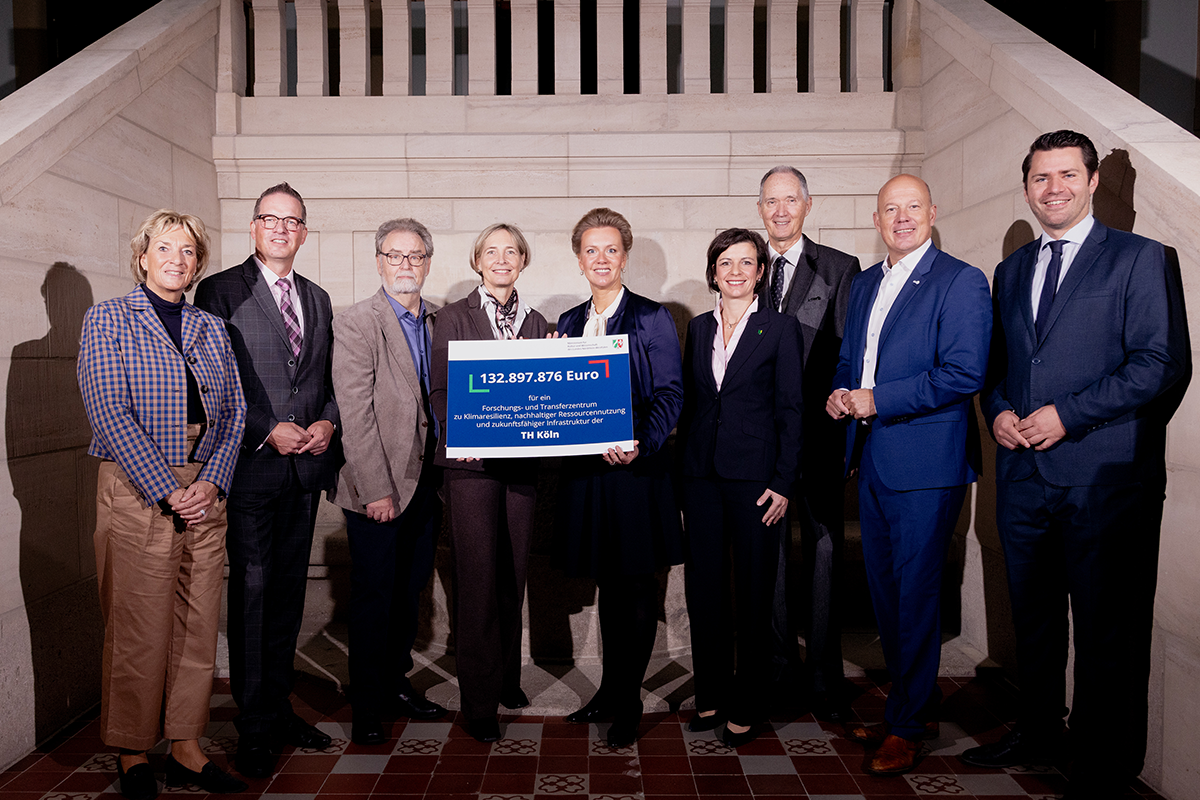
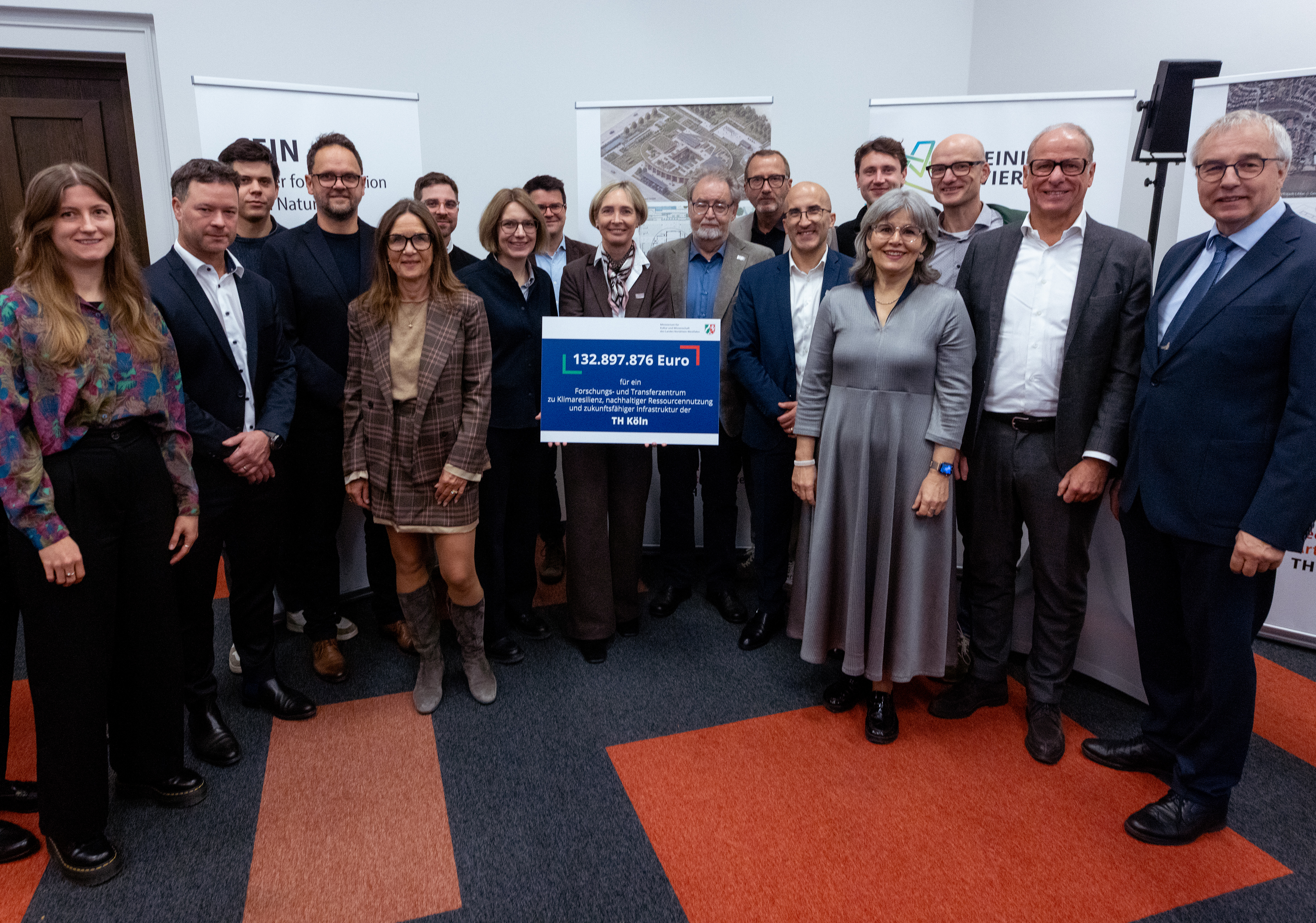
Those involved were delighted with the decision. From left to right: Elke Hohmann, Head of Projects, Programs, and Funding at Zukunftsagentur Rheinisches Revier GmbH; Gregor Golland, Member of the State Parliament of North Rhine-Westphalia; Prof. Dr. Gerd Sadowski, Executive Board Representative of TH Köln; Prof. Dr. Sylvia Heuchemer, President of TH Köln; Ina Brandes, Minister of Science for North Rhine-Westphalia, Carolin Weitzel, Mayor of Erftstadt, Prof. Dr. Ulrich Radtke, chairperson of the University Advisory Board at TH Köln, Frank Rock, District Administrator of the Rhein-Erft District, and Thomas Okos, Member of the State Parliament of North Rhine-Westphalia. (Image: Thilo Schmülgen / TH Köln)
 0 / 0
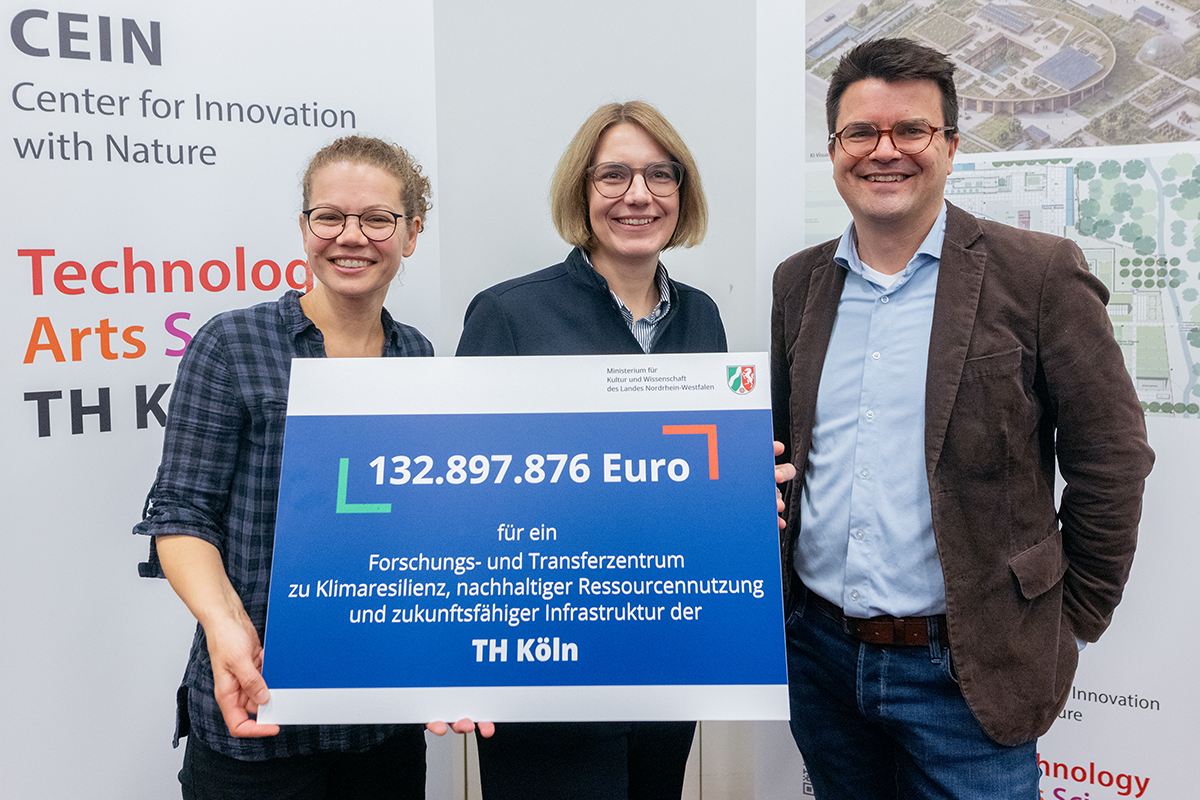
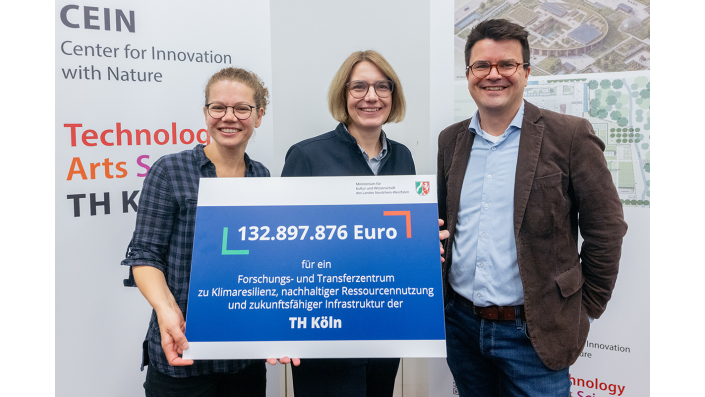
The next project has been secured by the Asset Management team led by Inga Grünwald (left) and Domink Haller (right) from Laetitia Post’s Department of Facility Management. (Image: Thilo Schmülgen / TH Köln)
 0 / 0
CEIN is a major project involving numerous individuals from the TH Köln and external planning partners. (Image: Thilo Schmülgen / TH Köln)
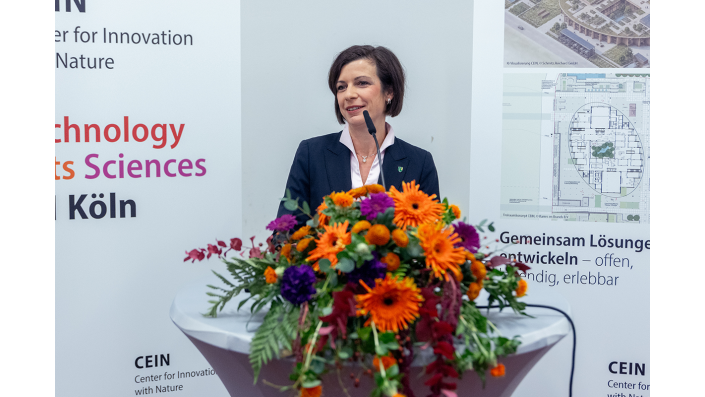
“Structural change in former lignite-mining regions such as the Rhenish Mining District is a task that will span a century—and a great opportunity. With CEIN, we aim to create a space where academia and society can seize this opportunity together: Through interdisciplinary projects, we bring together partners from all sectors of society to develop sustainable concepts for the region,” emphasizes Prof. Dr. Sylvia Heuchemer, President of TH Köln - University of Applied Sciences. For change to succeed, she notes, knowledge, innovation, participation, dialogue, and trust are essential. For this reason, the entire planning process has already been carried out in close collaboration with the city of Erftstadt, the Rhein-Erft district, and Region Köln Bonn e.V.
A Place for Exchange and Innovation
The CEIN is designed as a “real-world laboratory”—an open space for learning and experimentation where scientific methods and societal experiential knowledge converge. There, new technologies, social innovations, and planning concepts will be developed, tested, and refined—in real-world contexts and with genuine feedback. The center is thus simultaneously a place for research, knowledge transfer, networking, outreach, and public participation. Key areas of focus include, in particular, green-blue infrastructure, climate change adaptation and natural hazard management, sustainable water, soil, and resource management, as well as future-proof energy, mobility, and infrastructure systems.
Building and Outdoor Areas as a Demonstration Model
CEIN is being built on a site of approximately 27,700 square meters in Erftstadt-Liblar. The new building is designed to provide flexible spaces for research and project work, open areas for exchange and interaction, space for co-creative work and participatory formats, as well as opportunities for outreach and application-oriented demonstrations. Also planned are larger test setups and experimental formats, digital and hybrid work and research environments, as well as event and exhibition spaces for knowledge transfer, exchange, and participation.
Press Release 37/2026
November 2, 2026
The center is to be built to be climate-neutral and energy-positive using materials such as wood, natural stone, and bricks. “The building itself and its spatial, structural, and technical elements will be the subject of research, testing, and demonstration,” explains Prof. Dr. Gerd Sadowski, the Executive Board’s representative for the project. “In this way, CEIN itself can become a model for forward-looking construction and Architecture.” The outdoor facilities are also an integral part of the concept. There, in particular, water-related systems, climate-resilient landscape structures, biodiversity, and energy- and usage-related applications are to be made visible and tangible as a cohesive system.
“CEIN marks the beginning of the development of a new urban and landscape space in which science, work, housing, mobility, nature, and local recreation are interconnected. The research center will open up new possibilities for the adjacent innovation park, new housing options, improved access to the train station, and the further development of the surrounding open spaces. The campus landscape is not intended to be a closed-off academic environment, but rather an open, vibrant space from which the citizens of Erftstadt will also benefit. “Erftstadt is developing the largest, identity-defining single project in its history,” said Erftstadt Mayor Carolin Weitzel.
“Structural change must open up new prospects for the people of the Rhein-Erft district. With CEIN, we are laying an important foundation for this: Here, solutions will be developed to help our cities adapt to climate change and open up new opportunities for our businesses. “We have closely monitored the development together with the city of Erftstadt and the TH Köln - University of Applied Sciences. The funding approval now gives us the opportunity to put these plans into action. Our goal is for research in Erftstadt to generate new business ideas and skilled jobs for the entire region,” explains District Administrator Frank Rock.
November 2026