
Hands-on Project Work and International Exchange for Early Career Researchers
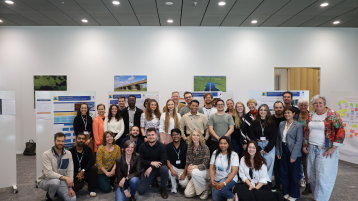
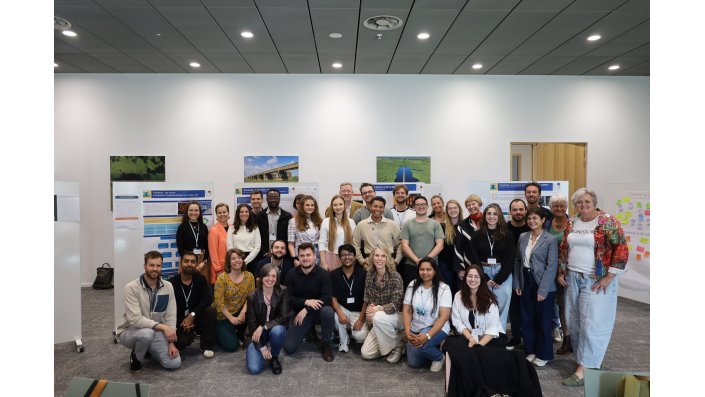
28 researchers from nine partner universities took part in the PIONEER Early Career Researchers Training School in ’s-Hertogenbosch. Among them were Lisa Reissner and Munam Farooqui from TH Köln’s :metabolon Institute. In this interview, the two research associates share their experiences from the practical project work and the enriching international exchange.
You both work as research associates at the :metabolon Institute. What areas do you focus on?
Lisa Reissner: In my work with the bergische rohstoffschmiede in the "Circular Ideation" subproject, I’m exploring how sustainability can be deeply embedded in small and medium-sized enterprises (SMEs) – not just as an add-on but as a core part of company culture and internal processes. The goal is to integrate sustainability systematically into strategic decisions, workflows, and collaboration rather than treating it as a separate issue.
Munam Farooqui: I work at the intersection of automation and machine learning, focusing on how data and AI can help us better understand and improve technical processes. I develop computational models that can quickly replicate complex simulations or experiments, allowing us to predict outcomes and optimize processes without always needing expensive trials. Right now, I’m applying this in the "EMS-Titan" project, which involves forging titanium components for the aerospace industry.
Why did you decide to join the PIONEER Early Career Researchers Training School?
Lisa: I signed up because the school’s focus on transdisciplinary research aligned perfectly with my own work. My project sits right at the interface between science and practice – I collaborate with SMEs to bridge the gap between research findings and real-world application. The training school was a great opportunity to deepen my understanding of transdisciplinary collaboration, pick up new methodological approaches, and connect with other early-career researchers from different fields and countries.
Munam: The school was specifically designed for early-career researchers and emphasized transdisciplinary research methods, which is exactly what I need. My work spans engineering, computer science, and data analysis, so this was a perfect fit. Another key topic was AI ethics, and since I work with AI daily, I wanted to dive deeper into responsible practices. Plus, the group included participants from nine universities across ten countries. It was a fantastic chance to network and build new connections.
What did you actually do during the training school?
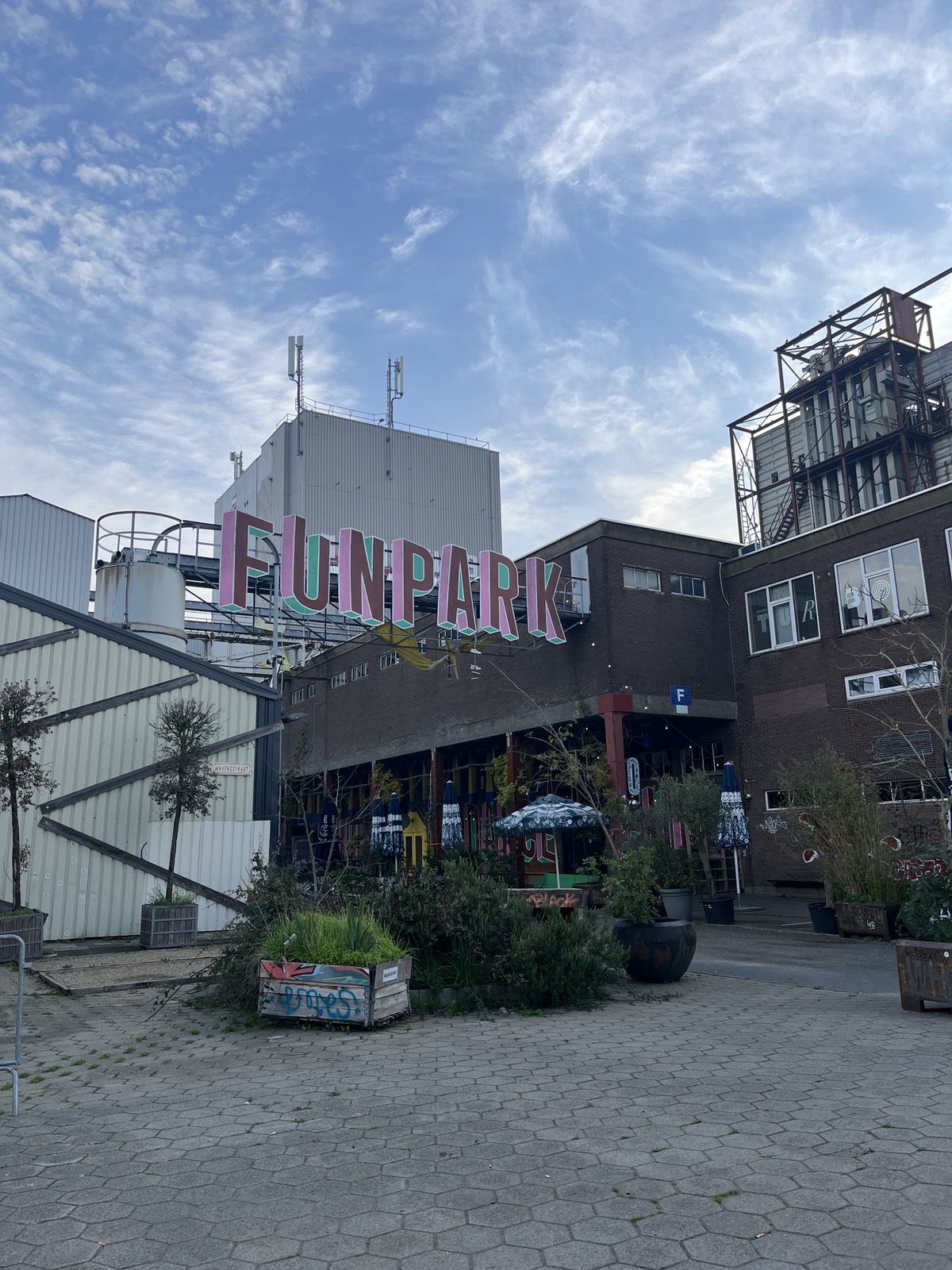
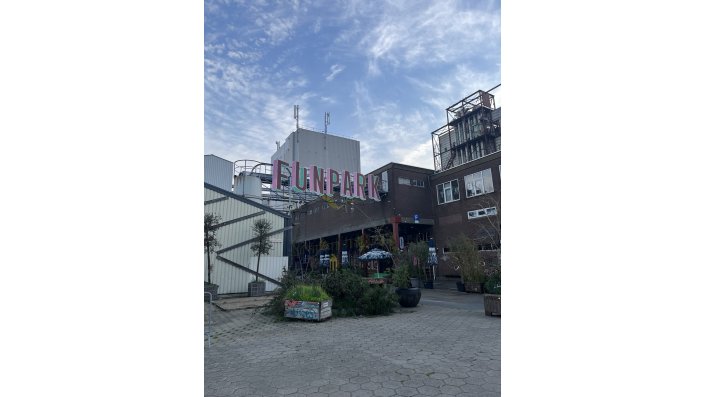
Lisa: We focused on the Tramkade industrial area in ’s-Hertogenbosch – a former industrial site with an old feed factory that’s being preserved. The goal is to redevelop the area into a mixed-use space with housing, workplaces, and community areas, integrating it more closely into the city center. A big part of the project involved engaging different stakeholders in the process. For the transformation to succeed, it’s crucial to consider the perspectives of everyone involved – project leaders, residents, future users, and others.
Our task was to develop a research concept based on this. We also attended lectures on transdisciplinary research, conducted interviews with project representatives, and worked in groups. The exchange within our team was especially valuable – it gave us insights into different scientific approaches, experiences, and problem-solving methods.
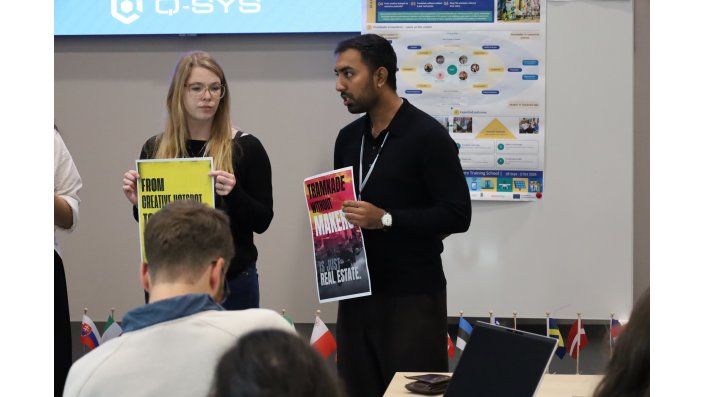
Munam: To add to that: We started with a site visit to Tramkade, where we examined the tensions between different interests. At the end of the week, each group presented their solutions. Along the way, we had talks on transdisciplinarity, AI ethics, and "perspective agility" – the ability to switch viewpoints consciously. There was also a networking session where we could connect with other researchers.
What key takeaways did you bring back from the training school?
Munam: The biggest lesson for me was how much multiple perspectives can enrich problem-solving. At Tramkade, we saw that there’s rarely just one "right" solution – you have to weigh different interests. That’s directly applicable to my work: even in technical projects, it helps to involve all stakeholders early, from researchers to practitioners. The AI ethics discussions also stuck with me. It’s clear that ethical considerations start with model training and carry through to real-world use. Since I work with AI every day, I’ll definitely be thinking about these issues more carefully going forward.
Lisa: I learned a lot about transdisciplinary research and collaboration. What stood out was how important it is to bring in different perspectives early and work with practice partners to co-develop solutions. Transdisciplinarity isn’t just about combining knowledge from different fields, it’s about actively integrating societal and practical viewpoints into research. The international exchange was also incredibly rewarding. Working with early-career researchers from different countries and disciplines showed me how varied approaches to challenges can be. The informal moments – where we chatted about our projects, methods, and experiences – were especially valuable.
How can you apply what you learned in your work at TH Köln or in collaboration with other PIONEER researchers?
Lisa: The training school gave me a lot of new ideas to incorporate into my research. The perspectives on transdisciplinary collaboration and the methodological approaches we explored are particularly relevant for my work with SMEs. I can use these insights especially when it comes to involving practice partners more closely in research and development processes and co-creating sustainable solutions. The exchange with other early-career researchers from the PIONEER Alliance also opens doors for future collaborations and joint projects.
Munam: At :metabolon, I work closely with research and industry partners. I can apply the transdisciplinary methods we learned here – for example, to align my models’ requirements earlier and more effectively with all stakeholders. I’m still in touch with some participants from the partner universities, and I can easily imagine future exchanges or even joint transdisciplinary projects emerging from this.
What did you do besides the academic work?
Lisa: We took a canal boat tour, went out for dinner twice, and one evening, a group of us explored Tramkade together.
Munam: At a networking dinner, we met participants from other PIONEER workshops. Those casual moments really helped us bond as a group. You get to know people differently when you’re not just working together but also hanging out. Some of those connections have already led to ongoing exchanges beyond the training school.
Impressions from the PIONEER Early Career Researchers Training School
 0 / 0
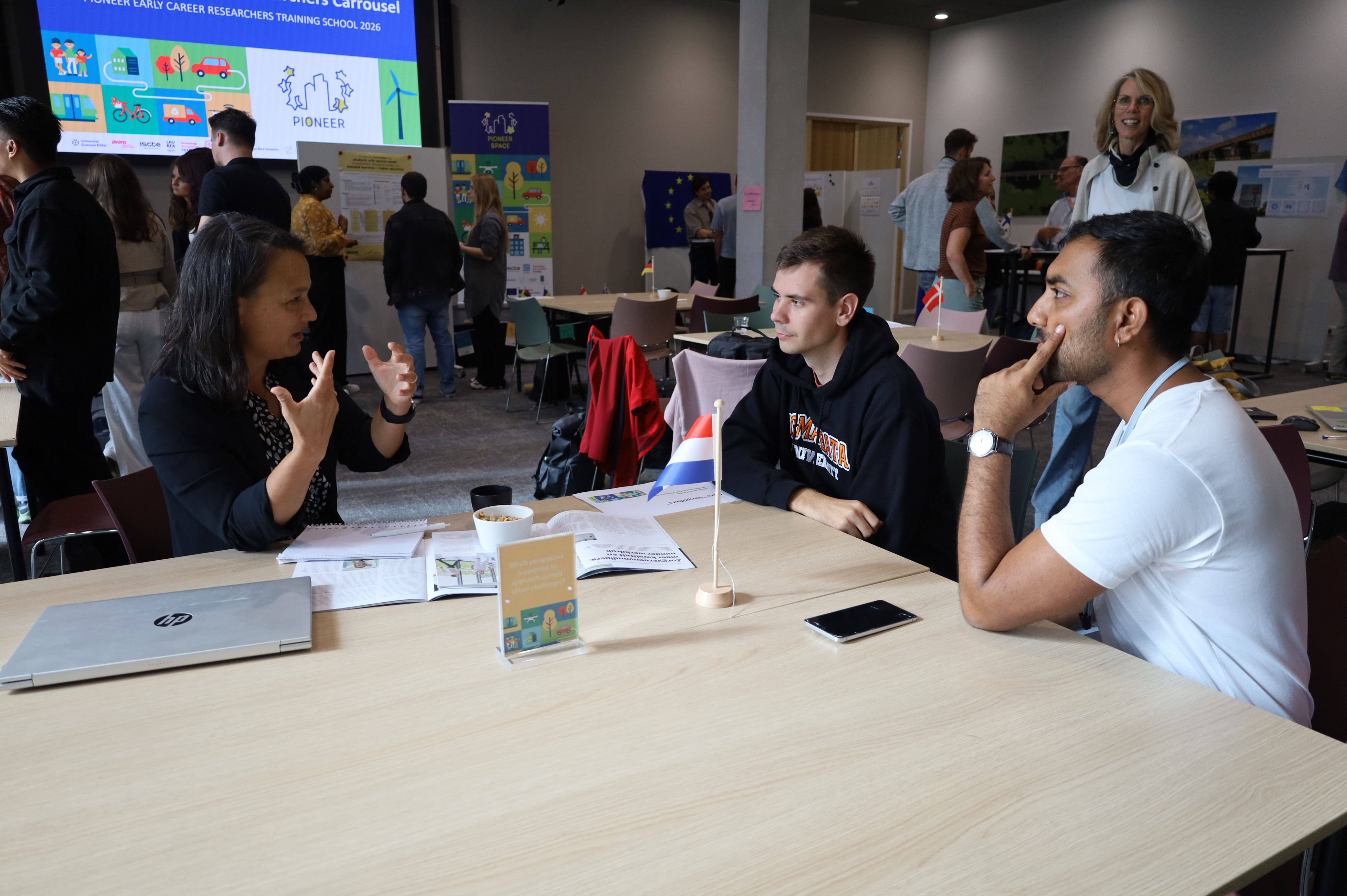
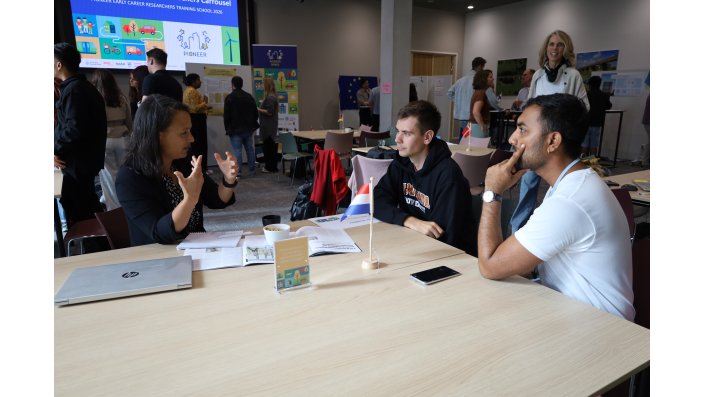
Among the participants were two research associates from TH Köln: Munam Farooqui (right in the photo)… (Image: Team der PIONEER Training School)
 0 / 0
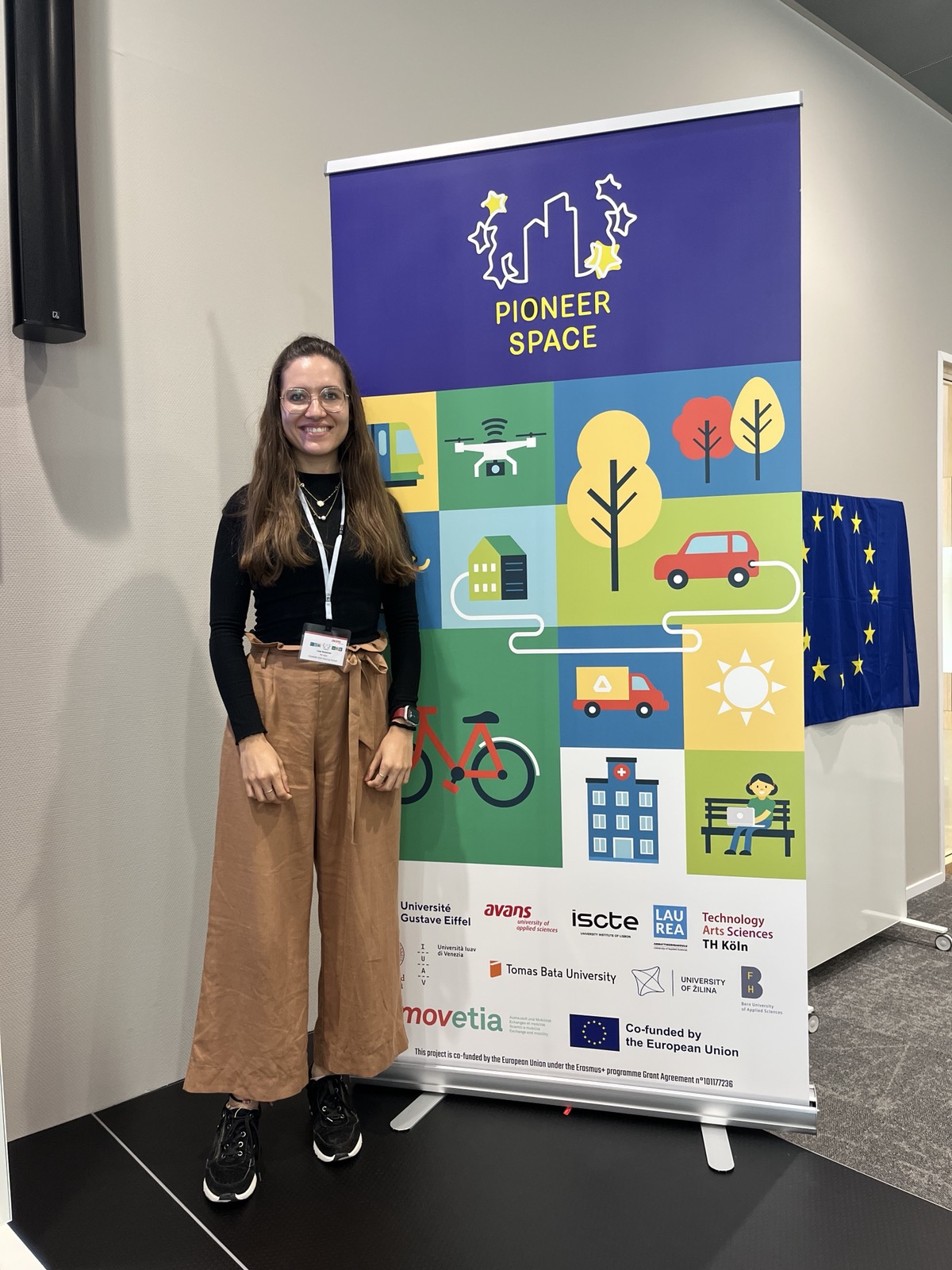
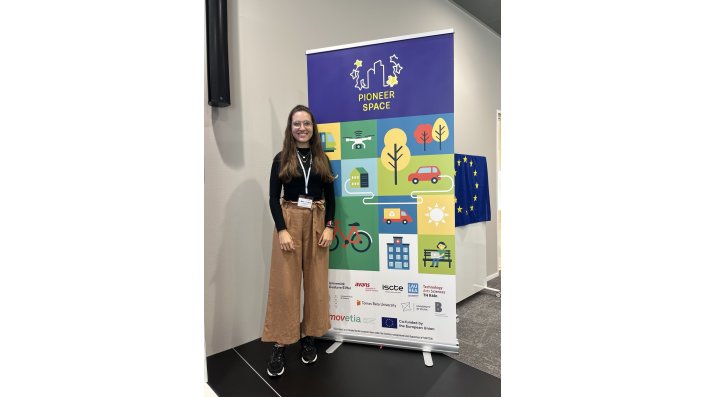
…and Lisa Reissner. Both work at the :metabolon Institute. (Image: Team der PIONEER Training School)
 0 / 0
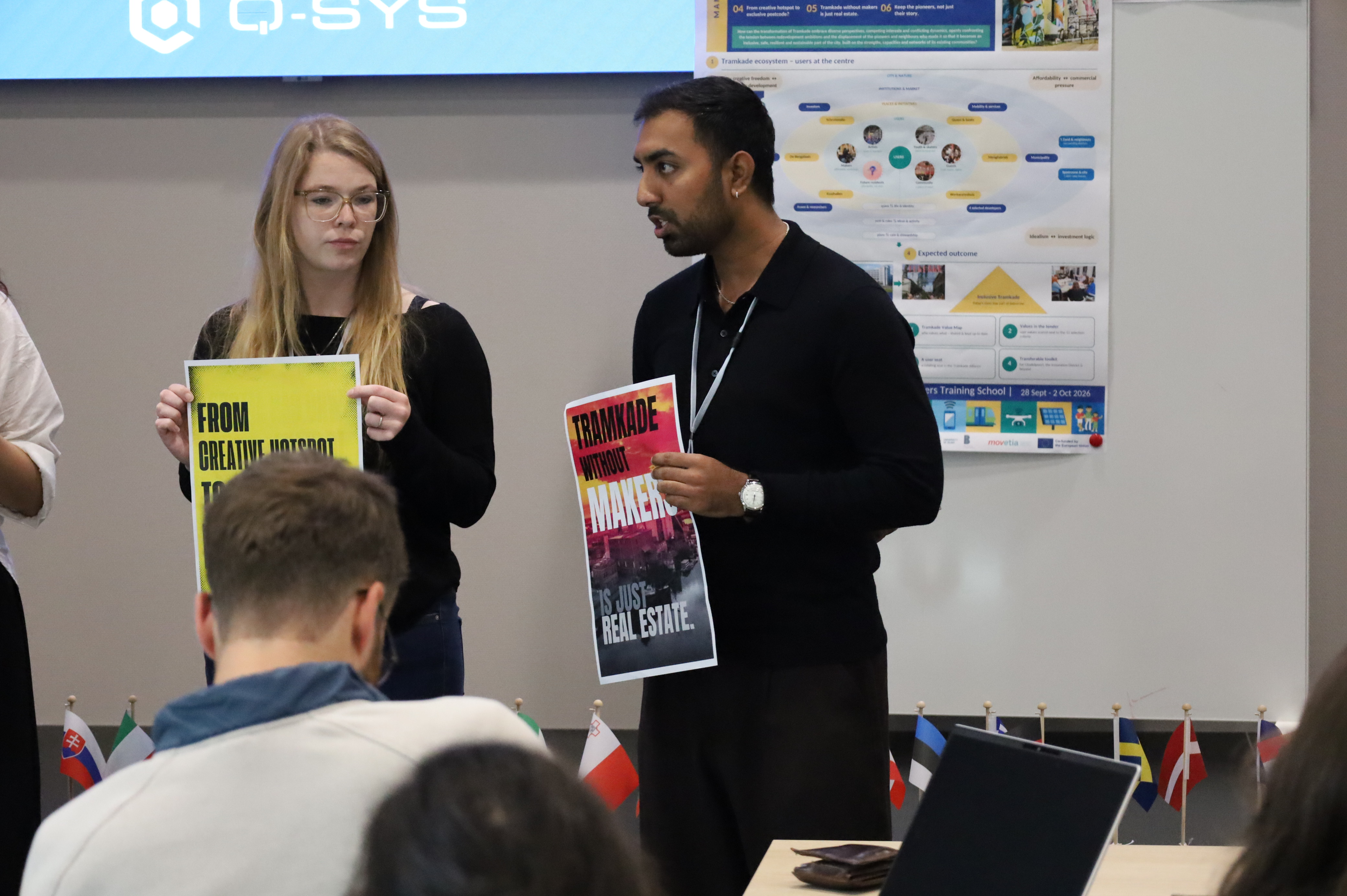
As part of a hands-on project, participants explored the former Tramkade industrial site in ’s-Hertogenbosch. (Image: Team der PIONEER Training School)
 0 / 0
The goal is to redevelop the area into a mixed-use space with housing, workplaces, and community areas—and the participants came up with ideas for how to do it. (Image: Team der PIONEER Training School)
 0 / 0
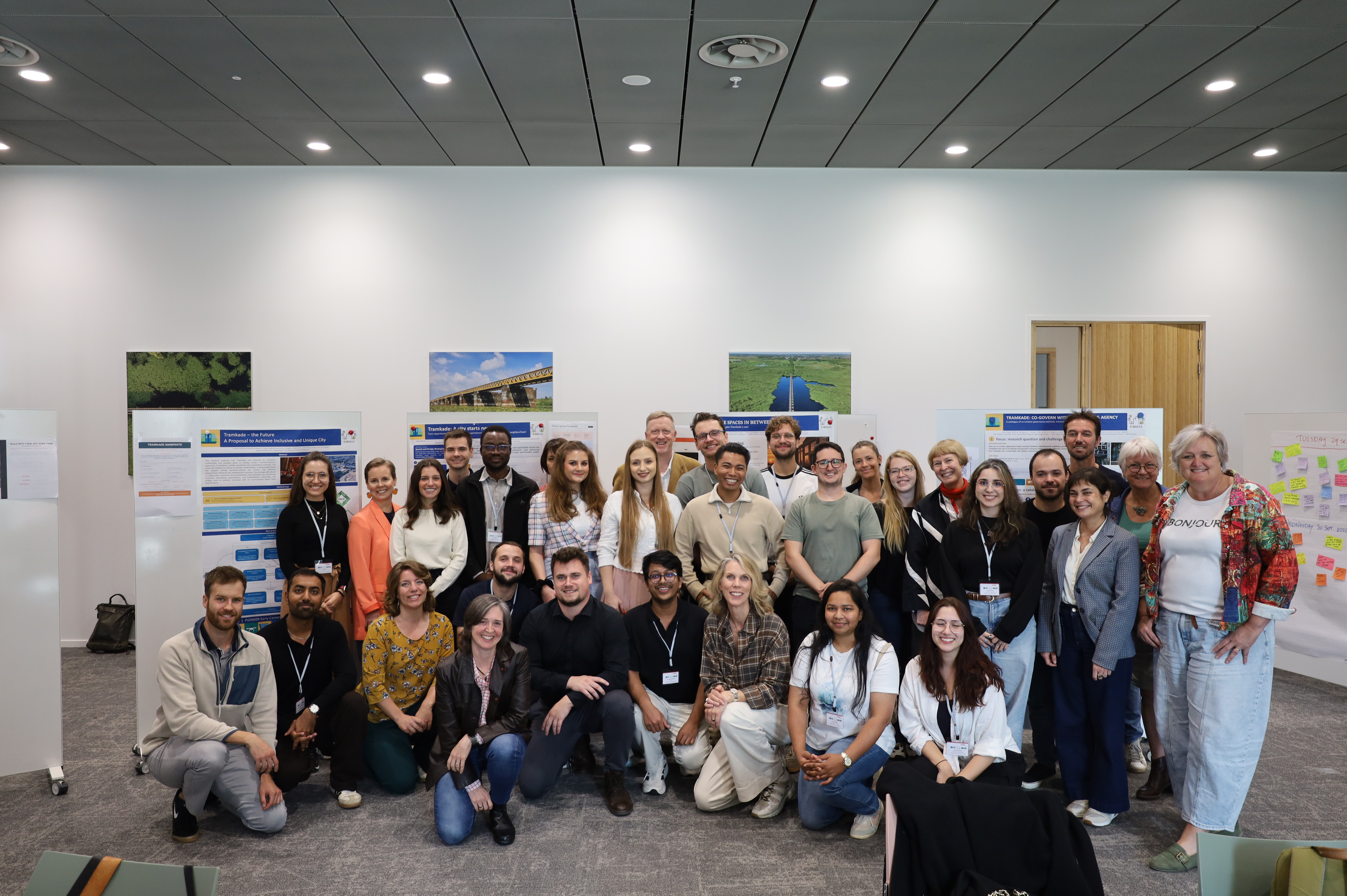
28 early-career researchers from nine partner universities took part in the PIONEER Training School. (Image: Team der PIONEER Training School)
October 2026