



UPV THK Double Degree Student Experience 2026
Valencia, Spanien - 2026
My Semester in Valencia.
Spending a semester at the Universitat Politecnica de Valencia (UPV) as part of the TH Koln Double Degree programme is one of the best decisions you can make as an engineering student. From a world-class campus and hands-on academic culture to an extraordinary city that becomes home faster than you expect, this is what awaits you.
The Campus
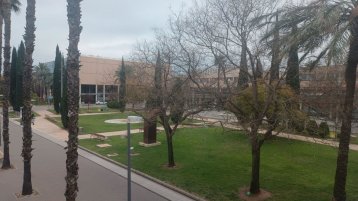
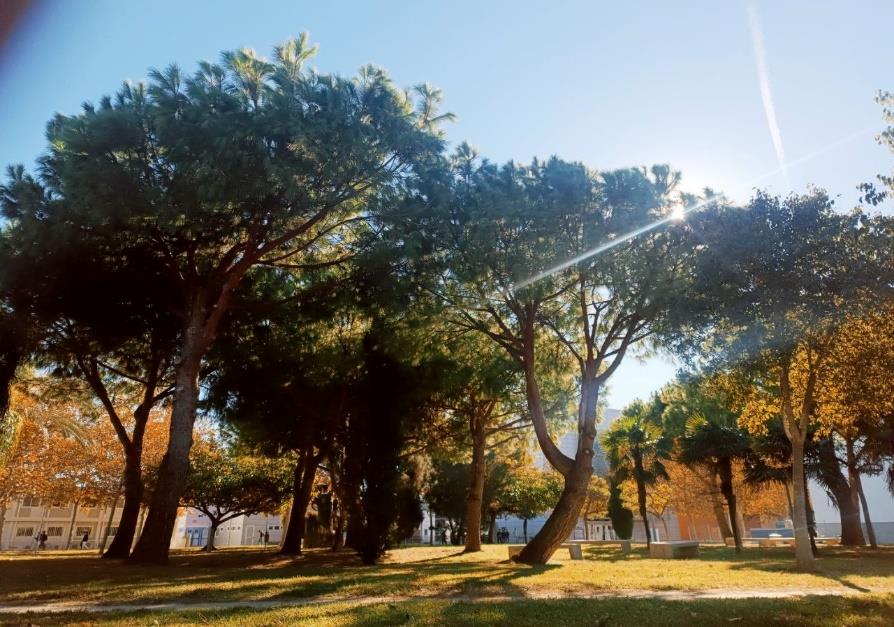
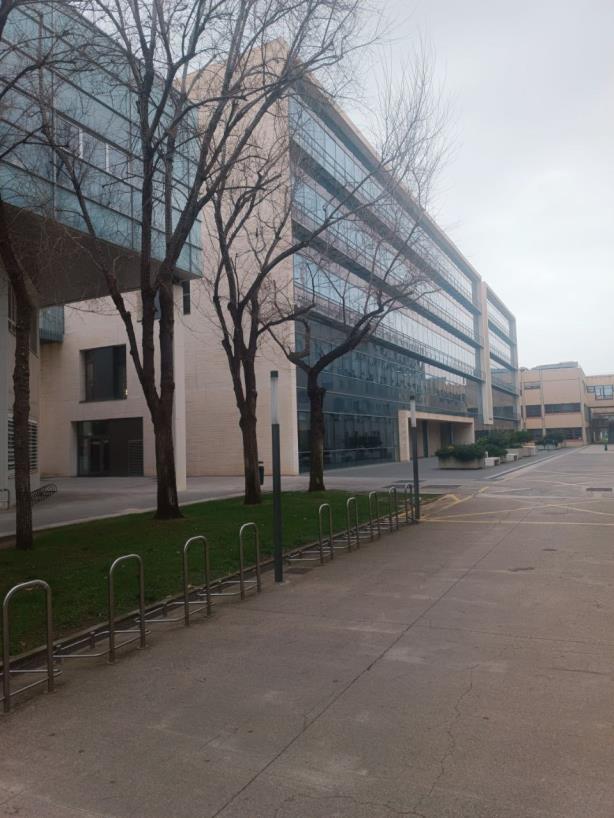
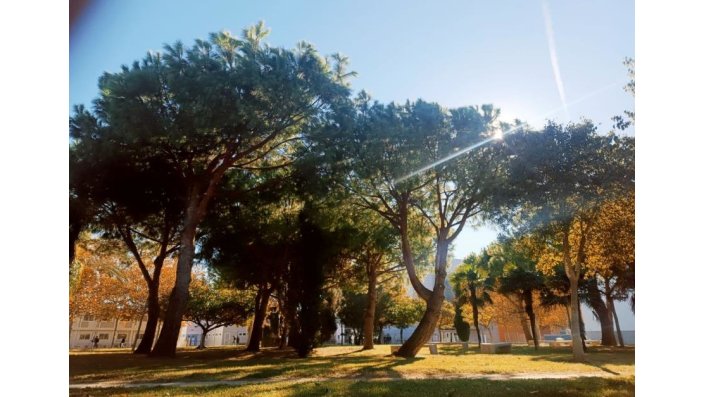
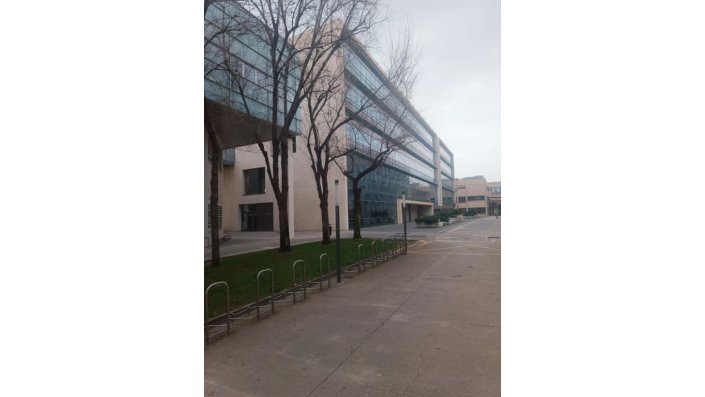
UPV's Vera campus is large, modern, and genuinely beautiful. Palm-lined paths, open plazas, grassy spaces between buildings, and a library at its heart make walking between lectures feel like a breath of fresh air. It is the kind of campus that makes you want to show up every single day.
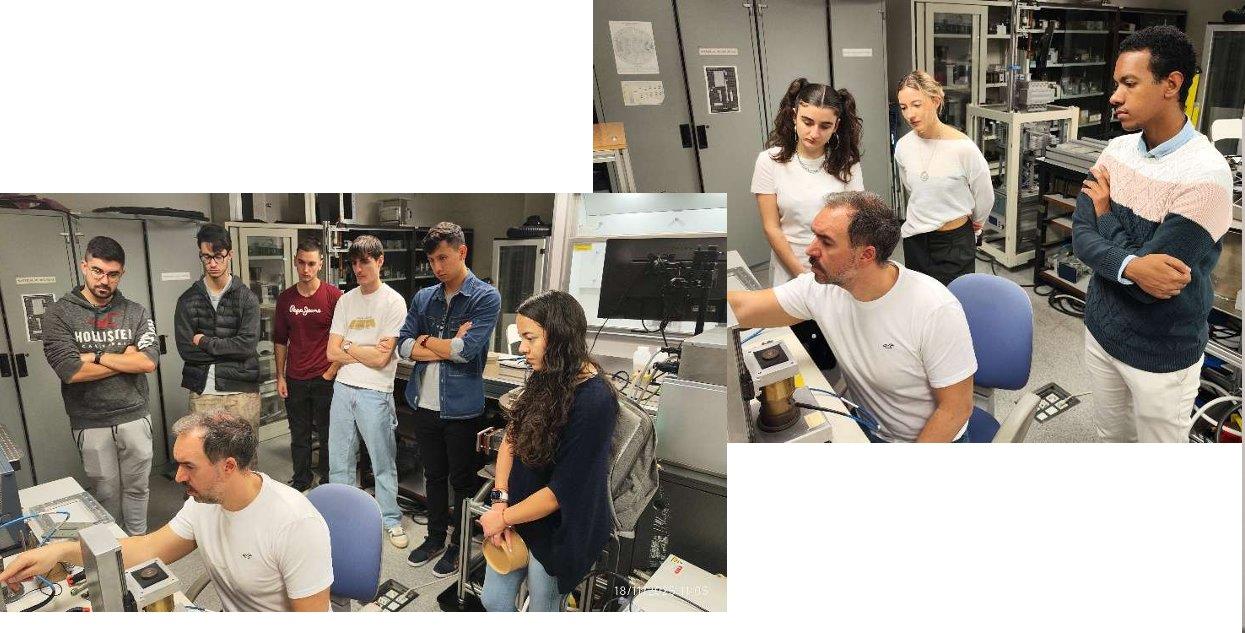
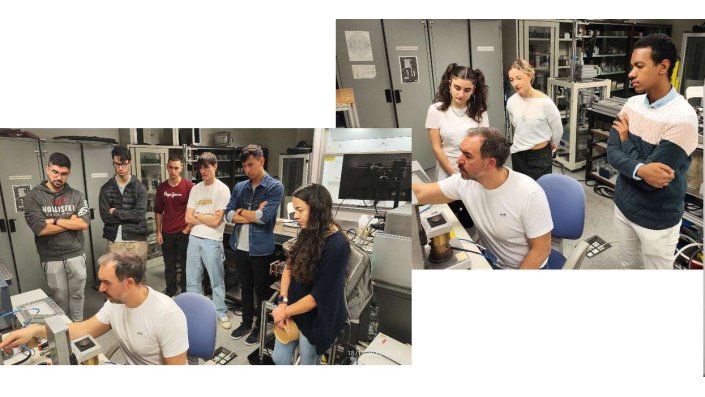
The academic experience is different from TH Koln in the best way. UPV runs on continuous evaluation: group projects, lab sessions, presentations, and regular assignments spread throughout the semester. There is no single high-stakes exam at the end, and once you settle into the rhythm, the workload feels manageable and genuinely engaging. Attendance is mandatory, so show up from day one and stay consistent. Lab sessions are hands-on with professional-grade equipment, giving you an experience you will not find everywhere.
One important thing to prepare for: everything runs in Spanish. Lectures, labs, slides, and group projects are all in Spanish. Most professors will allow exams in English if arranged in advance, but daily academic life is full immersion. Start learning Spanish before you come, or enrol in UPV's language courses when you arrive. It is challenging at first, but it is also one of the most rewarding parts of the whole experience.
Digital Tools That Work
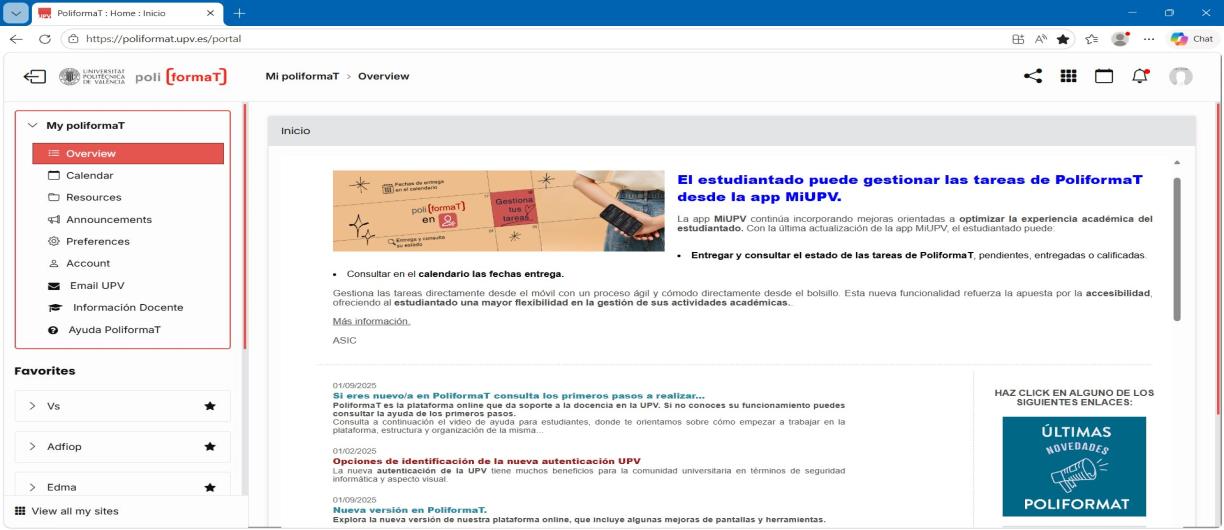
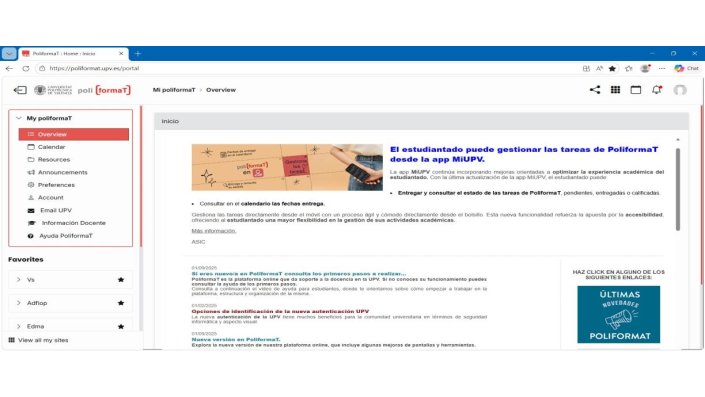
UPV's digital ecosystem is genuinely impressive and will become part of your daily routine from the very first week. Poliformat is UPV's central learning platform, similar to ILIAS at TH Koln, where all your modules, lecture slides, assignments, deadlines, and grades live. You submit coursework here and receive feedback throughout the semester. PoliLabs gives you remote access to a virtual computer preloaded with MATLAB, ANSYS, AutoCAD, OrCAD, and more, accessible from your room, from campus, or from anywhere with a connection. You do not need to install anything on your own machine. The MiUPV app brings everything else together: your digital student card, timetable, campus map, appointment booking with university services, and NFC door access, all from your phone.
Food and Groceries
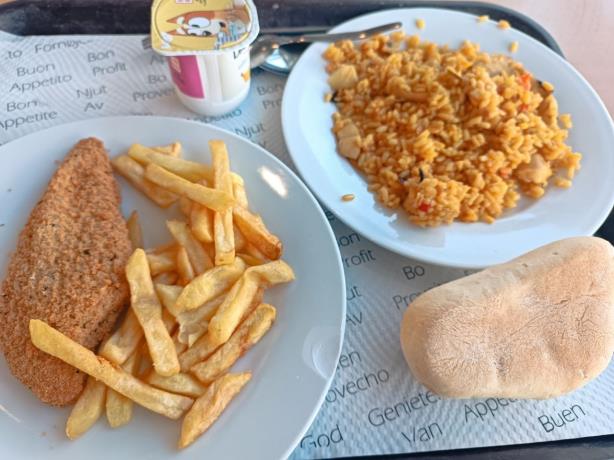
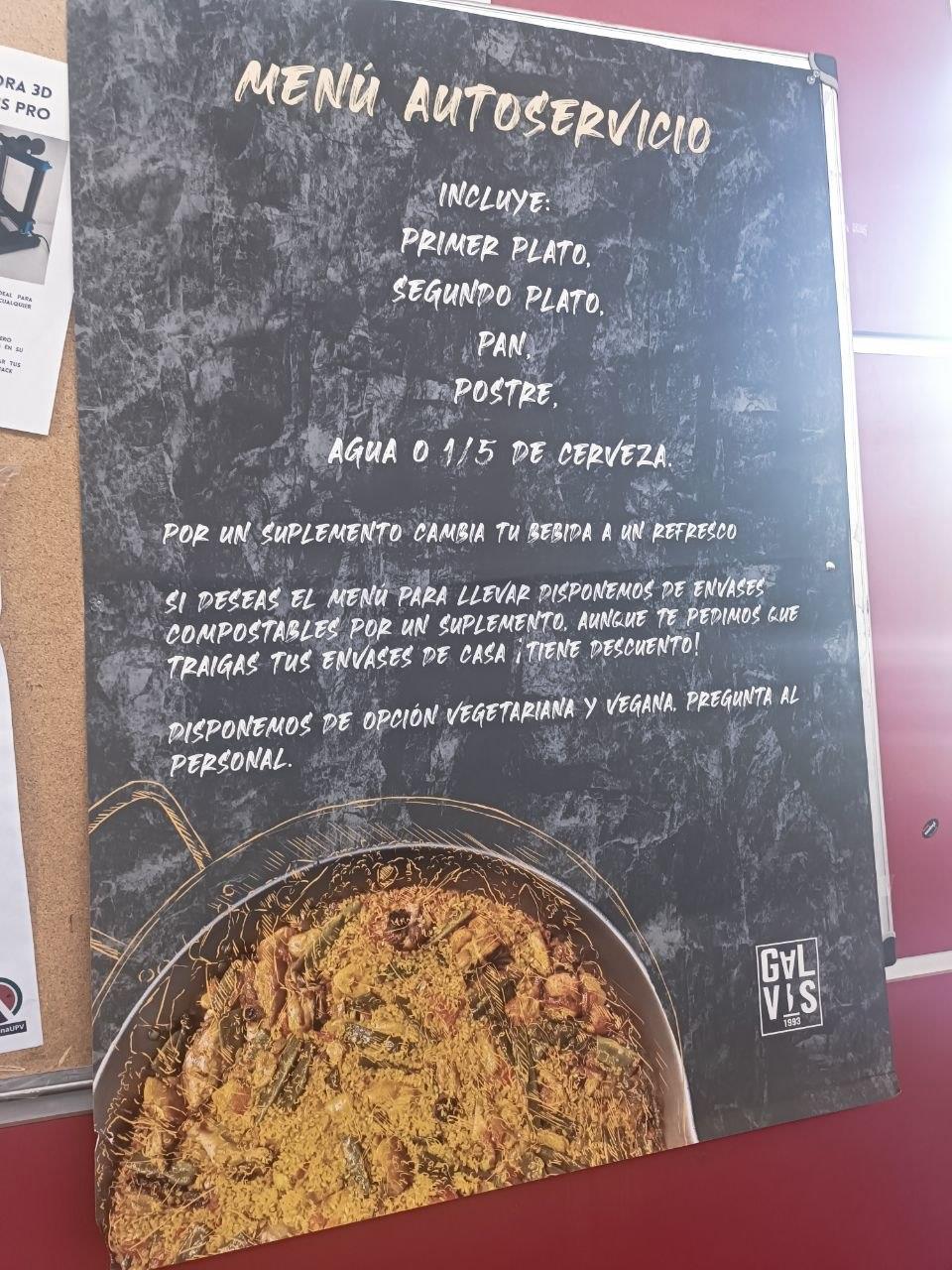
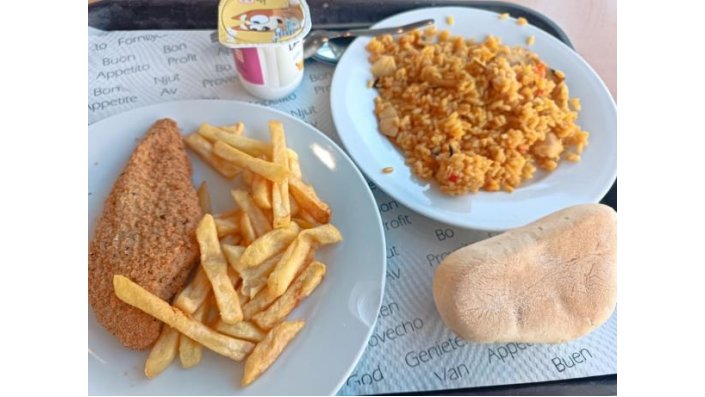
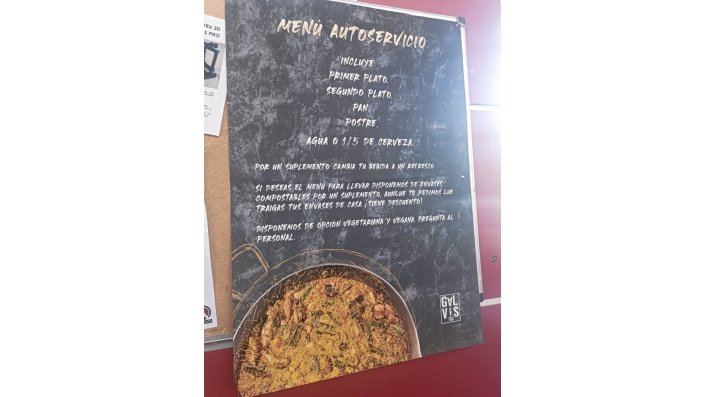
Valencia is one of the most affordable cities in Western Europe for students, and the food is outstanding. The campus cafeteria offers a full two-course lunch including a starter, main course, bread, dessert, and water or a small beer for between 4.80 and 5.20 euros. The menu rotates daily with proper Valencia rice dishes, fish, meat mains, and always something different. For that price, anywhere in Europe, it is exceptional value.
Beyond campus, local restaurants serve two-course lunch menus with a drink for around 10 to 12 euros. The Mercado Central in the city centre is worth visiting just to see it. The bars in El Carmen do generous tapas in the evenings for very little. For groceries, Mercadona is everywhere and the own-brand products are genuinely good. Between cafeteria lunches and cooking at home, total food costs sit at roughly 200 to 250 euros a month.
Housing
Finding accommodation in Valencia is one of the first practical challenges you will face. There is no student housing equivalent to a Studierendenwerk here, so you are in the private market, and it moves quickly. Start looking three to four months before you plan to arrive.
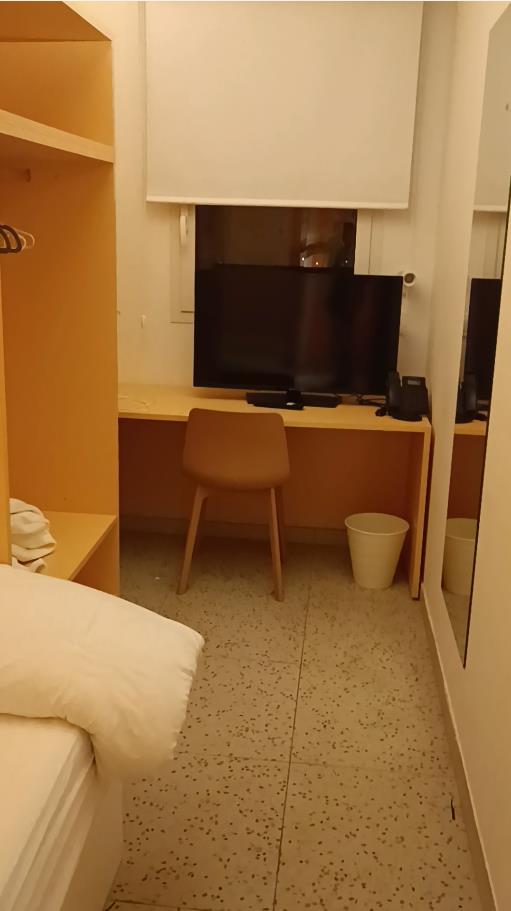
One well-regarded option is Loop Homes Burjassot, a student residence that can be arranged entirely from Germany. You apply online, transfer the deposit, and sign the contract when you arrive. Shared double rooms are clean and well-managed at around 620 euros per person per month. What makes it more than just a place to sleep is the mix of Erasmus students from across Europe living alongside Spanish domestic students. That social environment is one of the best things about the whole semester. Total monthly living costs including rent, food, transport, and everything else sit between 1,050 and 1,150 euros, noticeably lower than what the same quality of life would cost in many other European cities.
The City
Valencia rewards exploration. The Turia Gardens run for nine kilometres through the middle of the city in what used to be the riverbed of the Turia river. After a flood in 1957, the river was redirected and the old bed became a green park connecting the old town to the City of Arts and Sciences, full of joggers, cyclists, and people sitting in the shade. Walk it end to end at least once. The beach is a tram ride away, wide and sandy, and during the academic year it is calm enough to actually enjoy on a weekday afternoon after lectures.
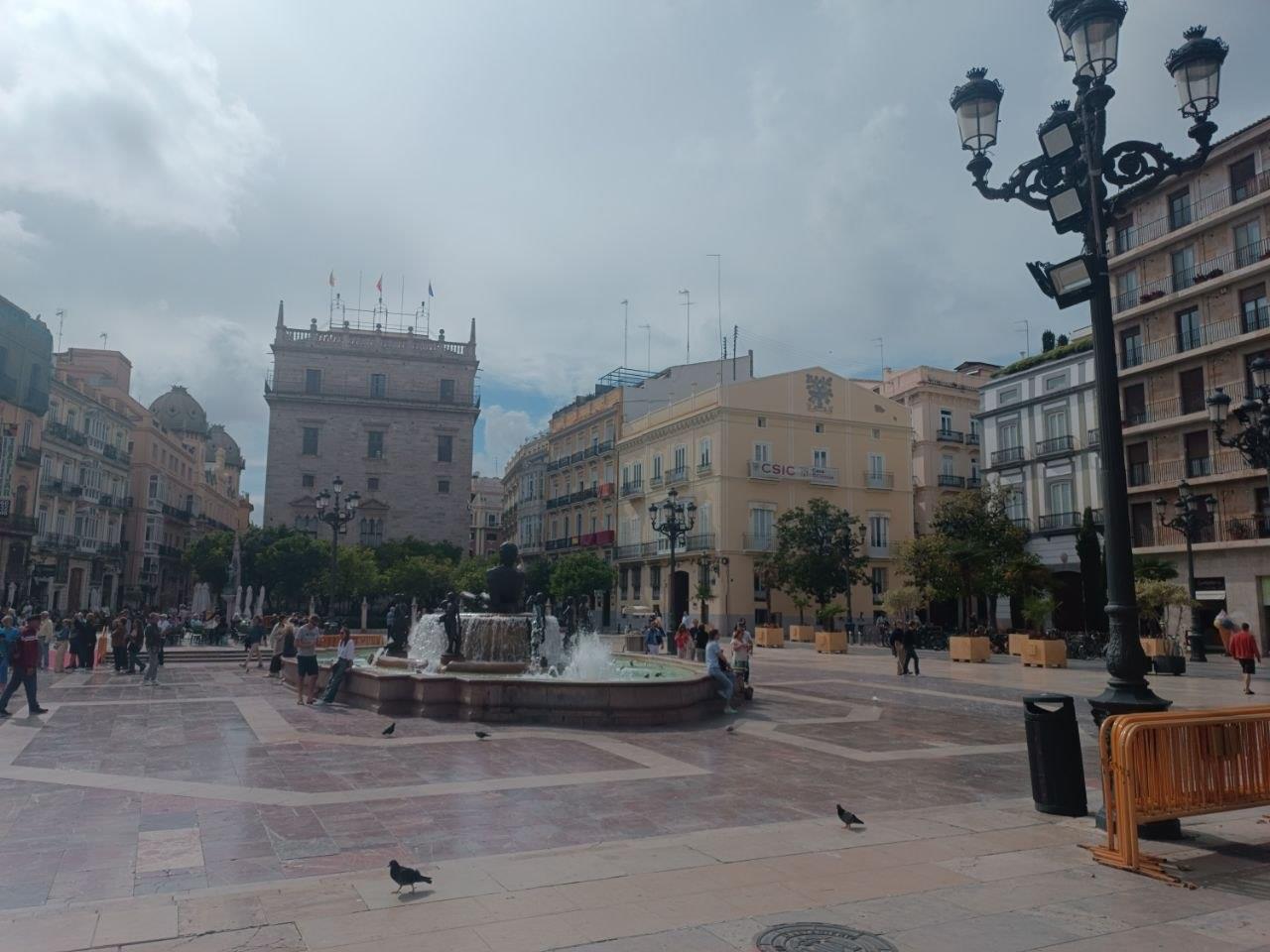
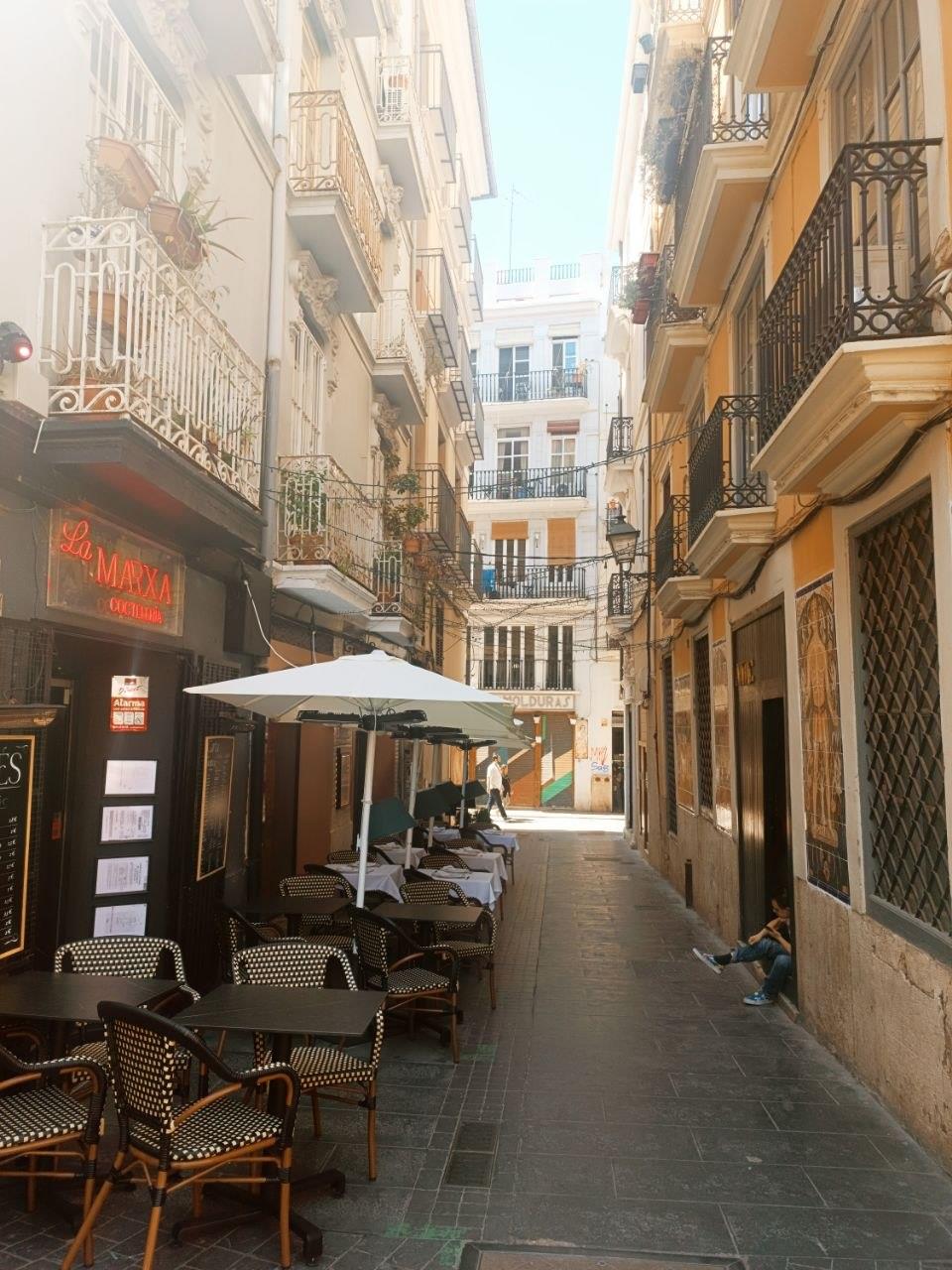
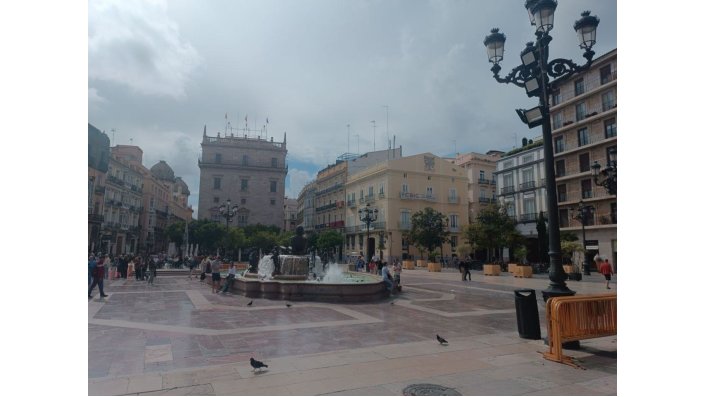
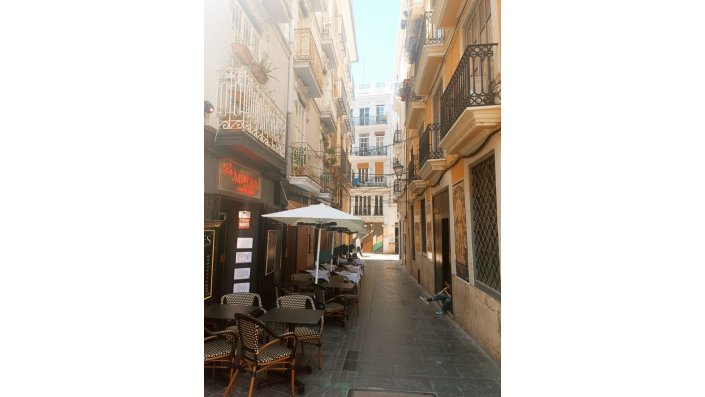
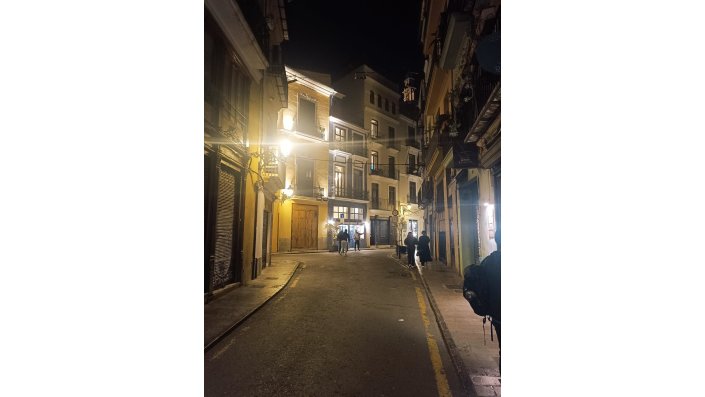
The old quarter, including El Carmen, the Cathedral district, and the streets around the Mercado Central, is a maze of narrow lanes opening without warning into beautiful plazas. Street art around corners, small cafes spilling onto pavements, church towers above the rooftops everywhere you look. It is the kind of city that reveals itself slowly and rewards those who take the time to wander.
Las Fallas
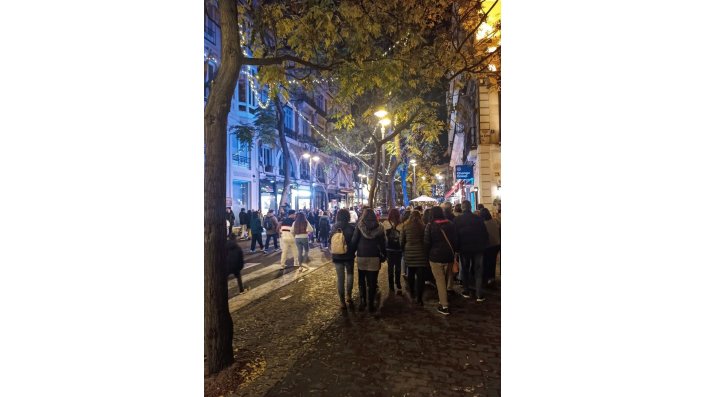
If your semester runs through March, you will witness Las Fallas: Valencia's most important festival. For a week the city becomes one continuous street party with music, fireworks, elaborate sculptures placed in every neighbourhood, traditional dress, and processions. The daily Mascletà is a choreographed wall of firecracker sound in the Plaza del Ayuntamiento at exactly two in the afternoon that you feel in your chest before you hear it. On the night of the 19th of March, every sculpture in every neighbourhood is burned simultaneously. The city glows orange. The crowds press in as close as they are allowed. It is genuinely one of the most extraordinary things you will ever witness.
Getting Around
Valencia's public transport is excellent. The Metro, Tramvia, and EMT buses are all integrated under one ticketing system. The first thing you should do when you arrive is buy a SUMA 10 card, which costs 5.20 euros for ten trips across the whole network. Get Zone A, which covers both the UPV campus and the city centre. Top it up regularly and keep it in your wallet. Valencia is also one of the best cycling cities in Spain, with dedicated bike lanes running across most of the city and the Turia Gardens route being completely flat and car-free. Valenbisi is the city's public bike-share scheme for anyone who wants to cycle regularly.
Carnet Jove
The Carnet Jove is a European youth card for people under 30, free to obtain, and it gives you discounts across a wide range of things in Valencia and beyond, including public transport, cinemas, museums, sports facilities, language schools, and a long list of local businesses. Apply for it as soon as you have your NIE number and Digital Certificate, both of which you should sort out in your first week. The NIE is your Spanish identification number for foreign residents, and the Digital Certificate unlocks most official online services in Spain. Once you have both, the card opens a long list of discounts you would otherwise be paying full price for.
Valencia does not feel like studying abroad after a while. It just feels like where you live. If you are considering the Double Degree programme and wondering whether it is worth the effort, it absolutely is.
Bildergalerie
 0 / 0
0 / 0
Typical cafeteria lunches — paella, seafood rice, fish, meat, always with bread and dessert (Bild: M. Gabr)
 0 / 0
0 / 0
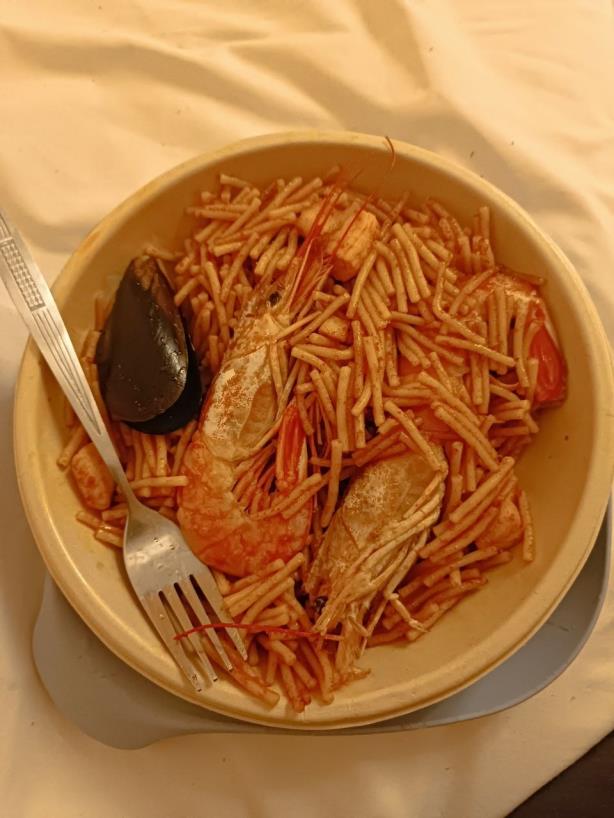
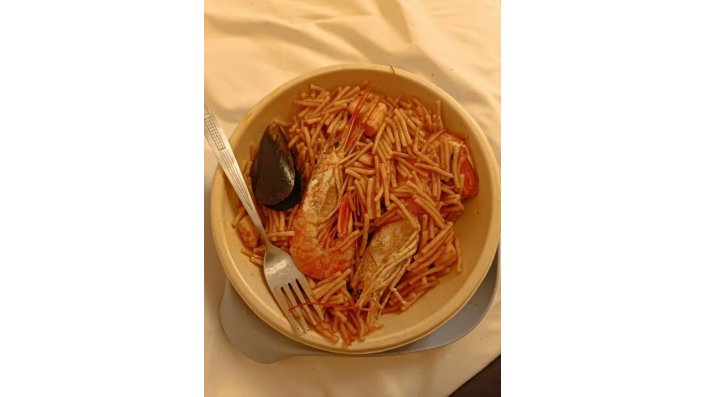
fideuà, the noodle cousin of paella from Mercadona (Bild: M. Gabr)
 0 / 0
0 / 0
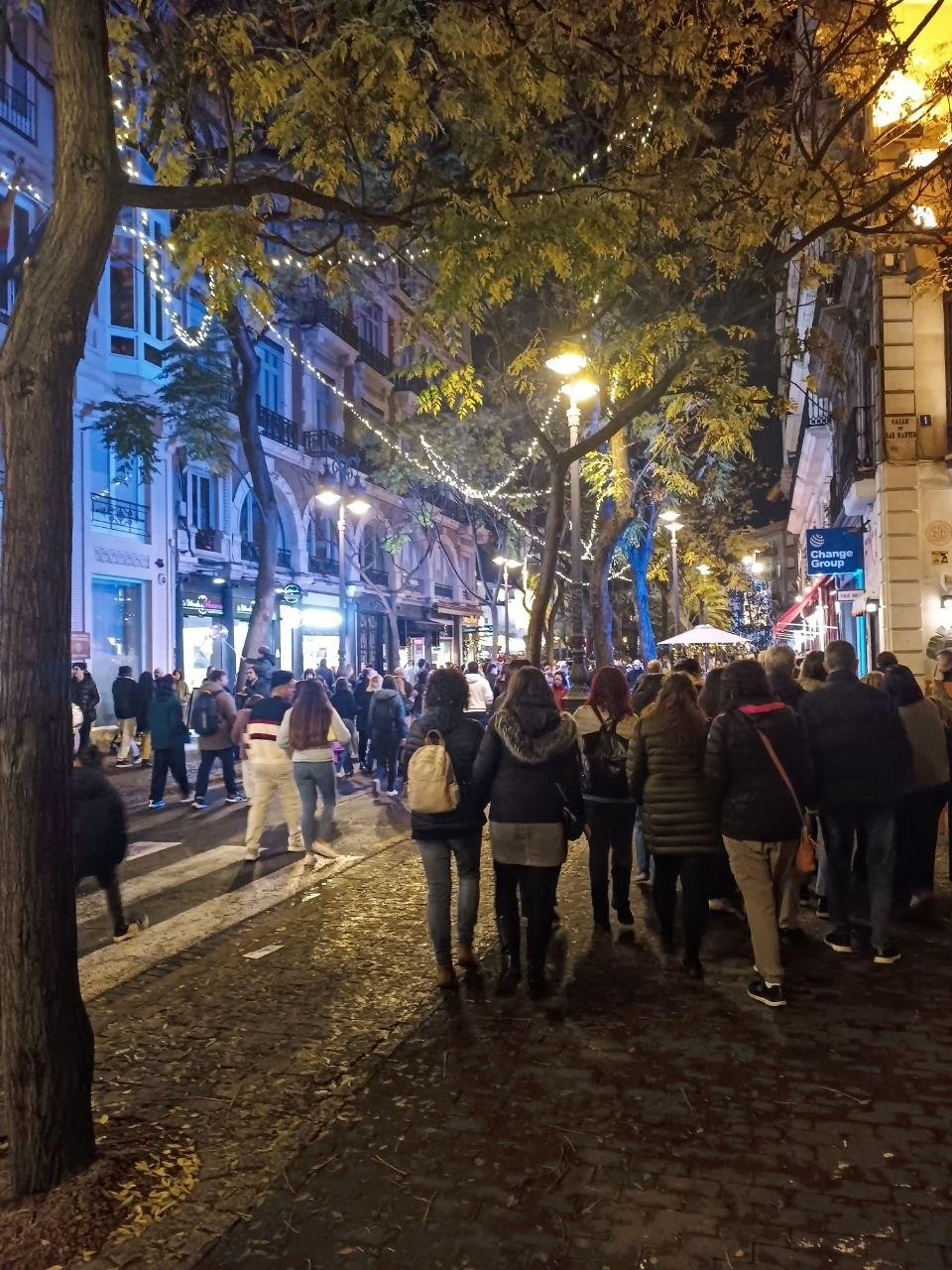
Streets of Valencia on Las Fallas (Bild: M. Gabr)
 0 / 0
0 / 0
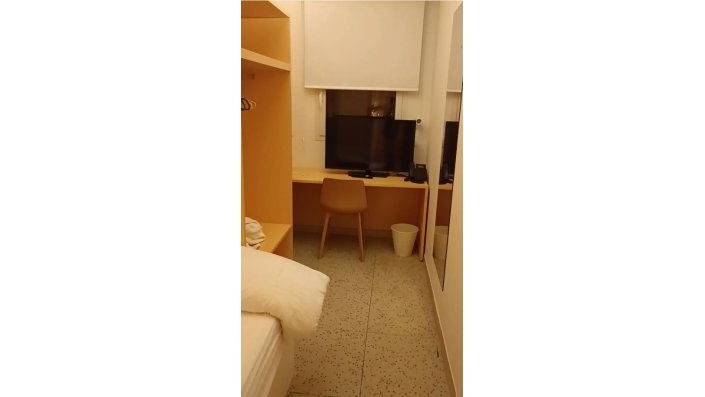
My Room... (Bild: M. Gabr)
 0 / 0
0 / 0
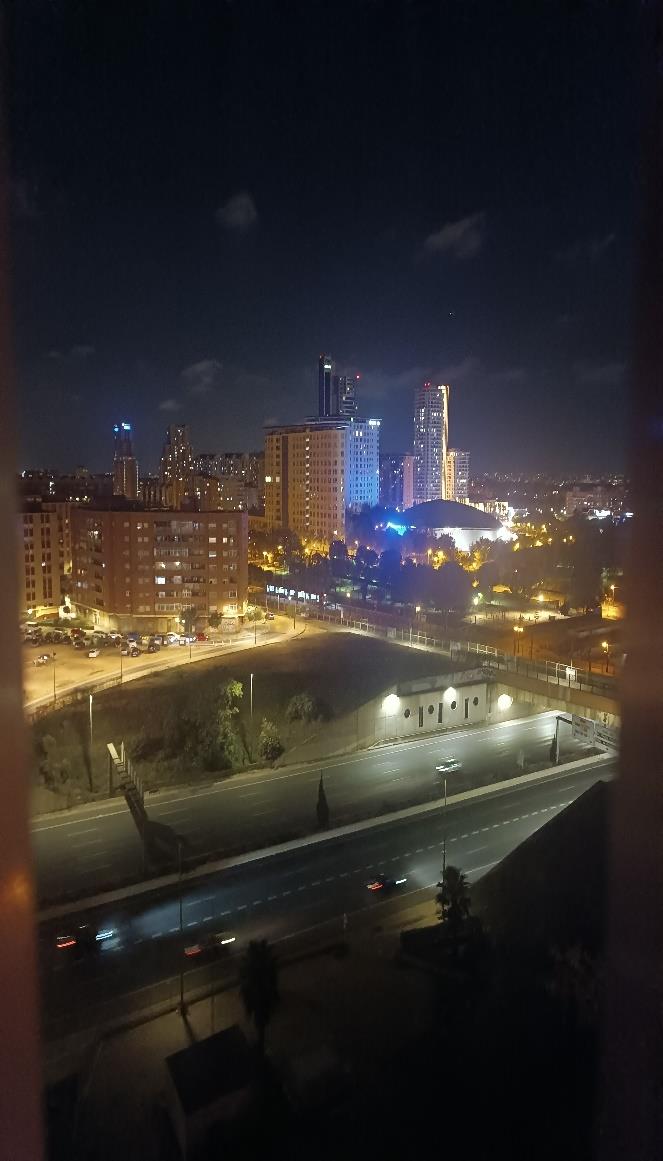
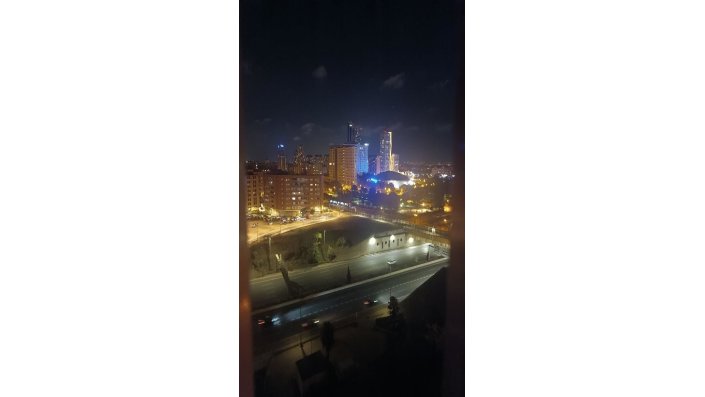
...and the view from the window (Bild: M. Gabr)
 0 / 0
0 / 0
Valencia15 (Bild: M. Gabr)
 0 / 0
0 / 0
Valencia16 (Bild: M. Gabr)
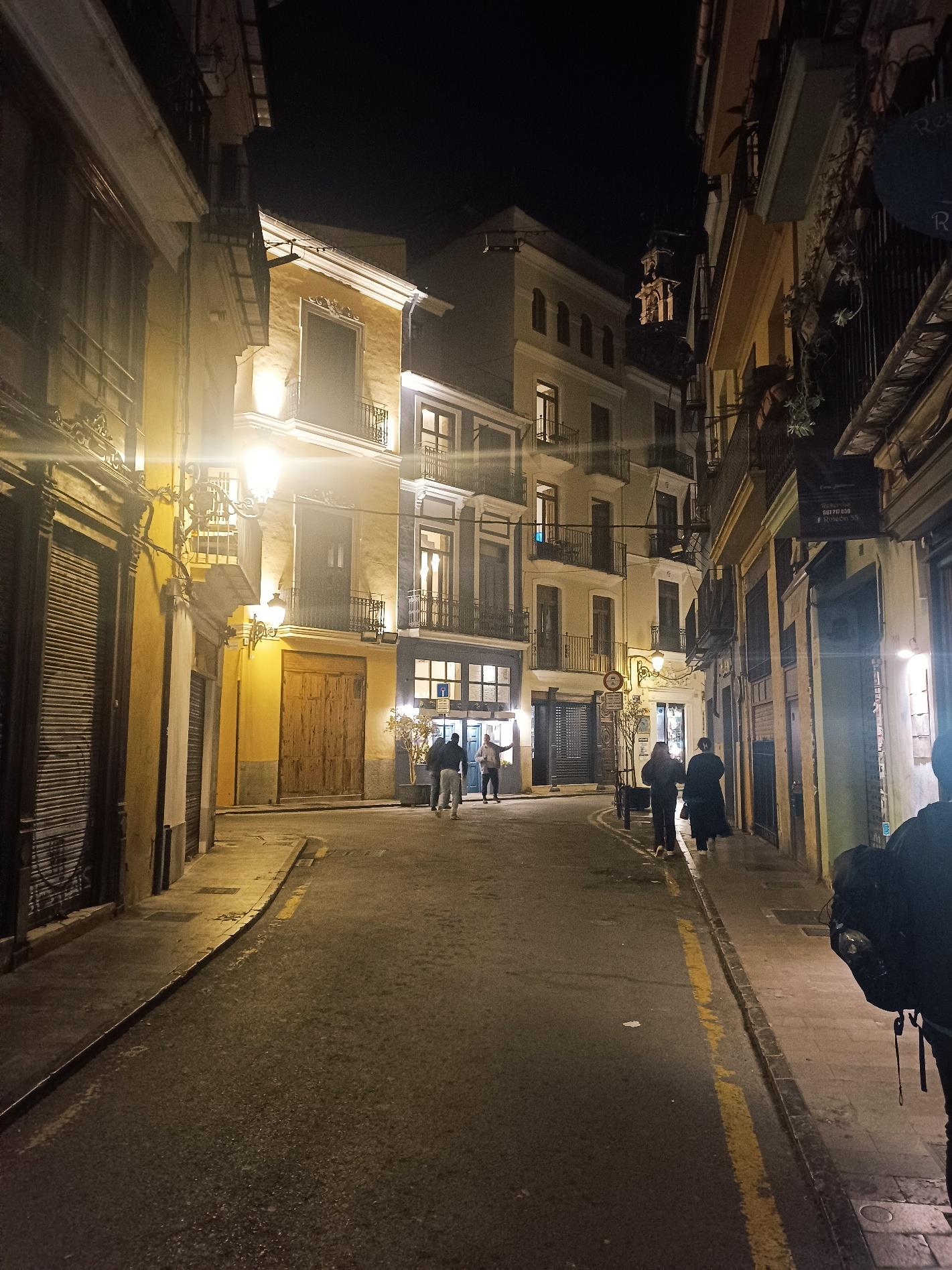 0 / 0
0 / 0
Valencia17 (Bild: M. Gabr)
 0 / 0
0 / 0
Campus gardens and faculty buildings — UPV Vera (Bild: M. Gabr)
 0 / 0
0 / 0
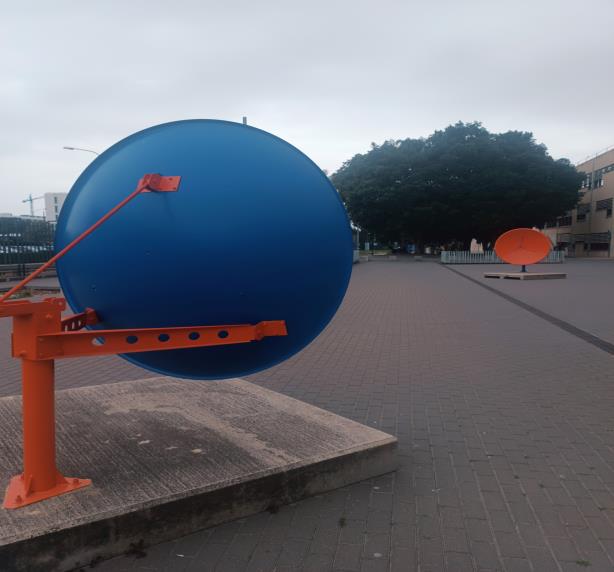
Campus gardens and faculty buildings — UPV Vera (Bild: M. Gabr)
 0 / 0
0 / 0
Lab sessions at UPV hands-on work with professional equipment (Bild: M. Gabr)
 0 / 0
0 / 0
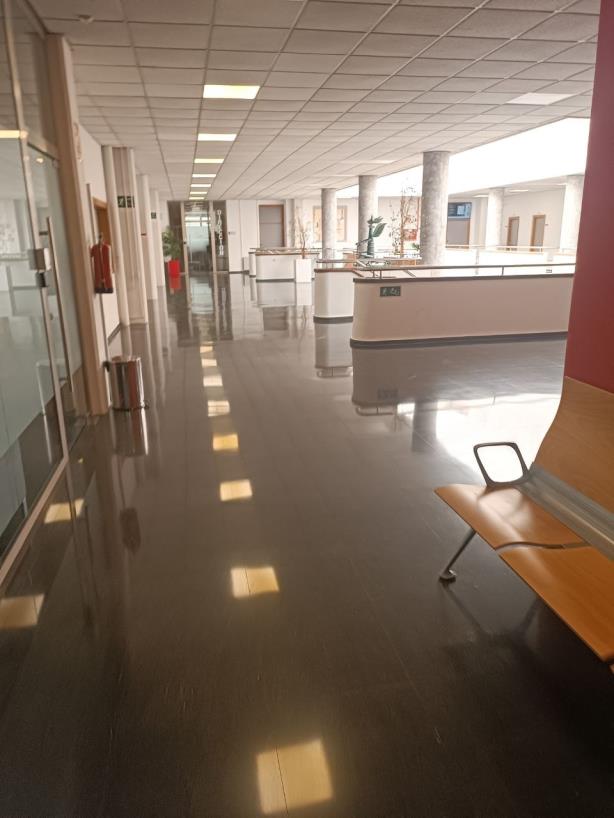
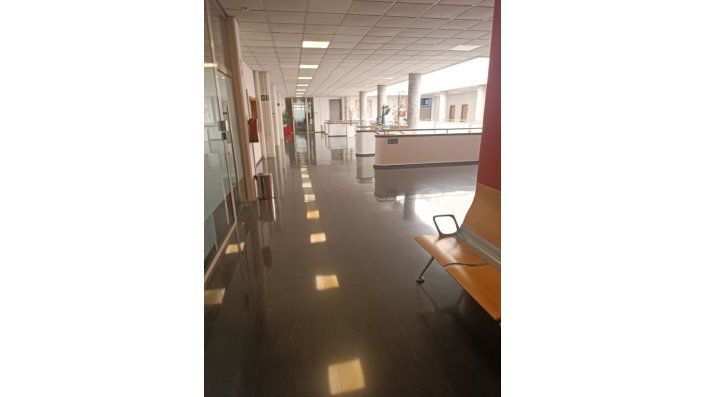
Inside the faculty building corridors, common areas, and study spaces (Bild: M. Gabr)
 0 / 0
0 / 0
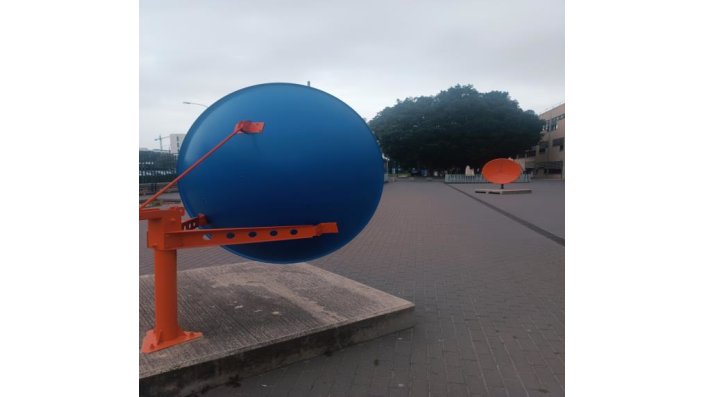
Outside the faculty building (Bild: M. Gabr)
 0 / 0
0 / 0
PoliforMaT — UPV's central academic platform for materials, assignments and grades (Bild: M. Gabr)
 0 / 0
0 / 0
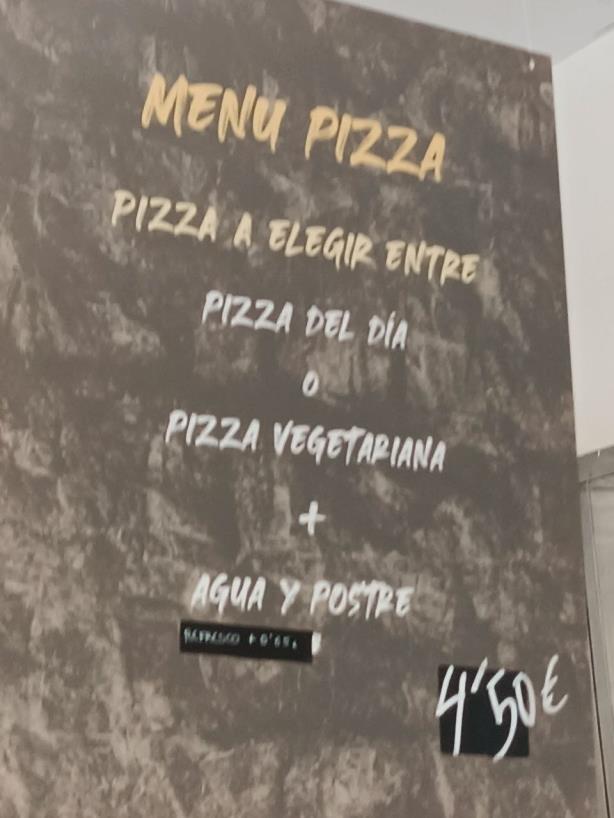
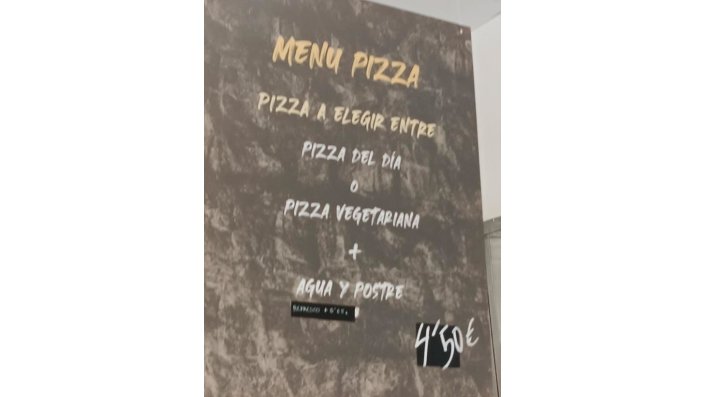
Pizza and pasta menus at the campus — 4.50 € including water and dessert (Bild: M. Gabr)
 0 / 0
0 / 0
The campus cafeteria menu — two courses, bread, dessert, and water or beer, all included (Bild: M. Gabr)
Juni 2026